

Why Choose a Carton Printing Machine for Your Business?
Why Choose a Carton Printing Machine for Your Business?
Cartons do more than protect products. They carry brand colors, instructions, and the small details shoppers notice on a crowded shelf. A Carton Printing Machine can help businesses produce that information directly on packaging, with greater control over print quality, production timing, and design changes. The opportunity is substantial: Smithers’ report, The Future of Packaging Printing to 2022, projected the global packaging-printing market would reach approximately $440.6 billion by 2022. That figure reflects broad packaging demand, not carton printing alone, so it should be read as industry context rather than a machine-sales forecast.
For manufacturers, the practical case often comes down to repeatability. A well-matched machine can print consistent logos and text across carton batches, reducing reliance on separate outsourced print runs. It may also support shorter production schedules and quicker artwork updates. Less waiting. Yet results depend on carton material, ink compatibility, operator skill, and maintenance; buying a machine does not automatically improve output. FEFCO’s European industry statistics reported roughly 50 billion square metres of corrugated board production in 2022, illustrating the scale of carton-based packaging in one major market. That volume makes efficient, dependable printing important—but every business has different needs. Before choosing equipment, compare print requirements, line speed, setup time, service support, and the total cost of ownership. The right choice is not always the fastest machine. It is the one that fits your cartons, workflow, and customers.
What Is a Carton Printing Machine?
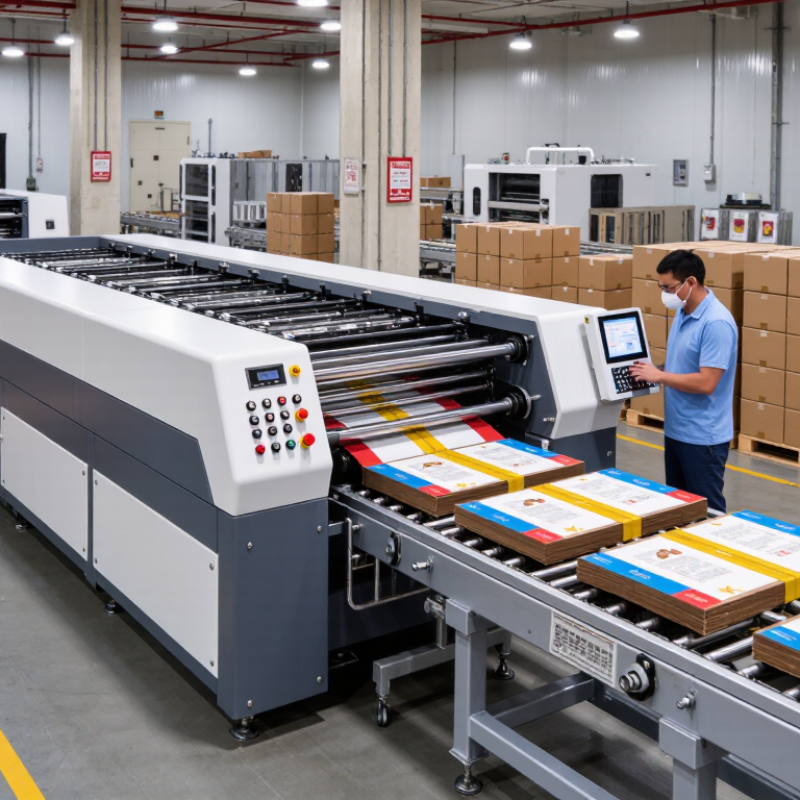
A carton printing machine is equipment designed to apply text, graphics, and product information to carton board or formed packaging. Depending on the production setup, it may print on flat sheets before folding, or on cartons that are already shaped. The machine typically combines feeding, printing, ink control, and delivery in one coordinated line. Some systems also include drying or curing units.
The printing section transfers an image onto the carton surface using a selected process, such as flexographic or digital printing. Operators adjust settings like print pressure, ink quantity, and sheet alignment to keep colors and edges consistent. Registration matters. A small shift can make fine text look blurred or cause colors to sit out of place. Sensors and inspection tools can help detect such issues, though they do not replace careful setup.
In practice, the right machine depends on carton material, artwork detail, order size, and required output speed. A business producing many versions in short runs may value quick changeovers, while a high-volume line may prioritize steady feeding and reduced downtime. There is no universal best configuration. Even a capable machine can waste stock when board quality varies or maintenance slips. That detail is easy to underestimate. Operators should test representative cartons and review print samples before committing to a production setup.
Why Choose a Carton Printing Machine for Your Business? - What Is a Carton Printing Machine?
| Machine Type | Printing Method | Typical Carton Applications | Setup Requirements | Best-Suited Job Profile | Main Advantages | Important Considerations |
|---|---|---|---|---|---|---|
| Sheetfed offset press | Transfers ink from a plate to a rubber blanket, then onto sheet material. | Folding cartons made from paperboard, including product boxes for retail packaging. | Typically requires printing plates, make-ready, and color adjustment before production. | Medium to long runs with repeatable artwork and consistent color requirements. | High print quality, reliable color reproduction, and compatibility with many paperboard grades. | Plate and make-ready costs can make frequent artwork changes or very short runs less economical. |
| Flexographic press | Uses flexible relief plates to transfer ink onto a substrate. | Corrugated boxes and packaging materials; some systems also print carton stock or webs. | Requires plates and press setup; plate material, ink, and configuration depend on the job and substrate. | Production jobs suited to the press format, particularly packaging with repeat designs. | Can print on a range of packaging substrates and is widely used for corrugated packaging. | Print results depend on plate quality, ink, substrate, and press setup; fine detail may require careful process control. |
| Digital inkjet press | Applies digitally controlled ink droplets directly to the material without conventional printing plates. | Short-run folding cartons, samples, prototypes, and packaging with variable designs. | Artwork is prepared digitally; substrate compatibility and any required coating or priming should be checked. | Short runs, frequent design changes, personalization, or jobs requiring multiple versions. | Avoids printing plates and can reduce setup steps for short or variable jobs. | Per-unit cost, production speed, sheet size, and achievable finish vary by press and application. |
| Hybrid printing line | Combines digital printing with one or more conventional printing or finishing processes. | Carton jobs that combine variable content with conventional colors, coatings, or finishing operations. | Requires coordination of digital files, conventional setup, registration, and finishing stages. | Mixed jobs where variable data or short versions are combined with established print processes. | Can combine the flexibility of digital printing with the capabilities of conventional processes. | Greater process complexity and equipment investment may require careful workflow planning. |
A carton printing machine prints graphics and information on paperboard or other packaging substrates. The appropriate system depends on carton material, job length, artwork variation, print quality needs, and downstream processes such as cutting, creasing, folding, and gluing.