

• NEWS AND UPDATES

    The latest updates regarding our products and our company

Top 10 Tailings Dry Discharge Equipment in China for Buyers?

The management of tailings is a significant concern in the mining industry. As environmental regulations tighten, the need for efficient and sustainable solutions grows. Tailings Dry Discharge Equipment offers a promising avenue for addressing this challenge. This equipment minimizes water usage and promotes a more sustainable approach to tailings disposal.

Many buyers in China are assessing their options. The market features a variety of equipment, each with unique capabilities. Understanding which Tailings Dry Discharge Equipment suits your needs can be daunting. Factors such as efficiency, cost, and reliability need to be considered. Not every piece of equipment will perform as advertised. Prospective buyers must conduct thorough research to make informed decisions.

Choosing the right equipment requires expertise. Buyers should consult industry experts to get reliable information. Despite numerous options, not all equipment will meet expectations. It's essential to reflect on past decisions to avoid mistakes. An informed choice can lead to improved operational efficiency and reduced environmental impact. The pursuit of the top 10 options in China is not merely a list but a critical step toward responsible mining practices.
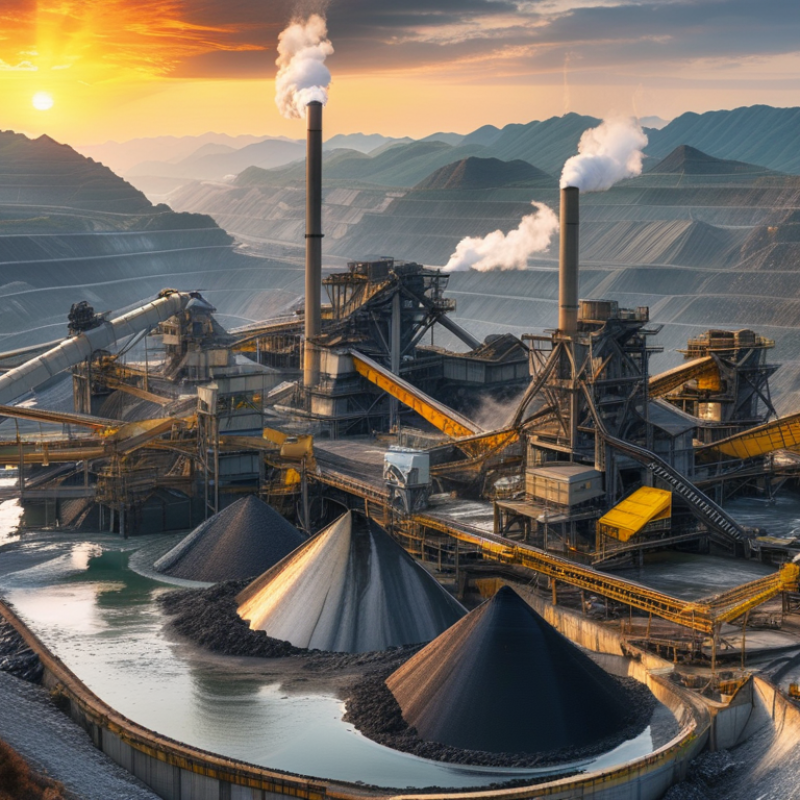
Top 10 Tailings Dry Discharge Equipment in China for Buyers?

Overview of Tailings Dry Discharge and Its Importance

Tailings dry discharge is a crucial aspect of mining operations. It helps minimize environmental damage while optimizing resource recovery. The importance of effective tailings management cannot be overstated, especially as global focus shifts toward sustainable mining practices. According to a report from the World Economic Forum, around 60% of mining tailings are left untreated or improperly managed, causing significant environmental hazards.

Implementing dry discharge techniques can reduce water usage by up to 90%. This is particularly vital in regions with water scarcity. Advanced equipment transforms tailings from a liability to a resource. Certain methods, like belt filter presses and centrifuges, are gaining traction for their efficiency. Yet, selecting the right equipment may pose challenges for many operators. It is essential to evaluate performance data, energy consumption, and operational costs.

Tip: Always analyze the specific requirements of your mine before investing in equipment. Engage with industry experts to ensure you choose the best solution tailored to your needs.

Tailings disposal methods must adapt to evolving regulations. The pressure to comply is increasing, and failure can lead to legal repercussions. Regular audits and assessments of tailings systems can enhance compliance. This will not only ensure safety but also protect local ecosystems.

Tip: Collaborate with environmental specialists to stay ahead of regulatory changes and improve your mining practices.

Top 10 Tailings Dry Discharge Equipment in China for Buyers

Equipment Type Capacity (ton/day) Moisture Content (%) Power Consumption (kW) Efficiency (%)
Belt Filter Press 300 15 45 90
Dewatering Screen 400 12 50 85
High-Rate Thickener 500 10 55 88
Filter Press 200 18 40 92
Spiral Classifier 350 14 60 83
Vacuum Filter 250 20 65 86
Centrifuge 450 11 75 91
Mud Filter 300 16 48 89
Pressure Filter 350 13 66 84
Cone Classifier 400 12 52 87

Key Factors to Consider When Selecting Tailings Dry Discharge Equipment

When selecting tailings dry discharge equipment, there are several key factors to consider. The efficiency of the equipment plays a critical role in the overall performance. A high-efficiency system can significantly reduce water content in tailings. This leads to safer storage and potential reuse of water. Look for machines that can process large volumes while maintaining reliability. Well-designed equipment often results in lower operational costs.

Quality is another essential aspect. The materials used should withstand harsh environments, minimizing wear and tear. Durability extends equipment lifespan, which is a vital consideration for long-term investments. Additional features, such as automation and monitoring systems, can enhance operational effectiveness. These can help in early fault detection, adding to reliability.

It is crucial to assess the provider’s after-sales support and service. Reliable service can prevent costly downtimes. A poor choice may lead to inadequate maintenance, ultimately affecting equipment performance. Take time to consult with industry experts and analyze user feedback. This can reveal practical insights that a technical specification might not cover.

Top 10 Tailings Dry Discharge Equipment in China: An In-Depth Review

Tailings dry discharge technology is gaining attention in the mining industry. It offers an effective method to manage waste while minimizing environmental impact. An in-depth review of the top equipment reveals diverse options, yet challenges remain. Systems vary in efficiency, cost, and suitability for different types of tailings.

Some equipment excels in moisture reduction, creating dry cake for easier transport. However, adaptability plays a critical role. Not all machines function effectively with every tailing type. Users often report maintenance issues, indicating a need for improvements in design and reliability. Additionally, operational costs can be higher than expected.

Understanding specifications is crucial. Equipment may boast impressive features, but real-world performance can differ. For buyers, observing field tests is vital. This approach allows for a better evaluation of each system’s capabilities in actual mining conditions. Ultimately, making informed decisions relies on careful analysis of equipment performance histories and user feedback.

Comparative Analysis of Features and Performance of Leading Equipment

In the realm of tailings management, the need for efficient dry discharge equipment is paramount. Recent studies indicate that effective tailings disposal systems can reduce water use by up to 90%. The comparative analysis of several leading types of equipment reveals key features that set them apart. For instance, some equipment excels in filter press technology, offering high solid recovery rates, while others utilize centrifugation methods that are advantageous for varying moisture content.

Understanding the performance variations among these technologies is crucial for buyers. Certain systems deliver higher throughput rates in less time, but may sacrifice initial capital cost for operational efficiency. Data shows that systems employing innovative dewatering techniques can lead to a solid output of around 85-90% dry weight. However, these innovations may demand specialized maintenance practices, which can complicate operations.

Field trials highlight intriguing results; while some equipment show impressive figures, others fail to meet expectations under certain conditions. Buyers must consider these nuances. Evaluating performance in real-world settings is essential before making an investment. Achieving optimal tailings management requires balancing cost, efficiency, and sustainability, which can be a challenging task for any buyer in today's market.

Future Trends and Innovations in Tailings Dry Discharge Technology

The future of tailings dry discharge technology is evolving rapidly. Innovations are focusing on efficiency and sustainability. The integration of automated systems is a key trend. Automation reduces human error and enhances operational consistency. Many facilities are adopting real-time monitoring systems. These systems provide instant feedback on moisture levels. Consequently, decisions can be made swiftly and accurately.

Emerging technologies like geosynthetic materials are transforming tailings management. These materials improve the stability of tailings structures. Their use minimizes the environmental impact significantly. Another area of growth is the development of compact filtration equipment. This equipment offers a smaller footprint while maintaining high efficiency. However, challenges remain. The initial investment cost is still a concern for many producers. The long-term benefits often justify this expense, yet it requires careful evaluation.

Research into alternative processes is also gaining traction. Techniques that promote water recycling are crucial. These processes aim to reduce water consumption in tailings management. Upgrading existing facilities can be complex and sometimes flawed. As industries strive for greener solutions, overcoming these hurdles is essential. Adapting to changing regulations and community expectations is necessary. The path forward is not without obstacles, but it offers significant opportunities for innovation and progress.

Top 10 Tailings Dry Discharge Equipment in China