Top 10 Laboratory Apparatus and Their Uses You Must Know?
In any scientific endeavor, understanding the essential laboratory apparatus and their uses is paramount. These tools serve as the backbone of experimentation and research. A well-equipped lab is crucial for scientists and students alike. However, many users often take these instruments for granted. Each apparatus has specific functions that can significantly impact the accuracy of results.
Take, for example, the beaker, a simple yet fundamental tool. It provides a means to mix, heat, and measure liquids. However, it is easy to misuse, leading to erroneous data. Many researchers overlook the calibration of measuring devices as well. This negligence can lead to flawed conclusions.
When learning about laboratory apparatus and their uses, individuals gain hands-on experience. Engaging with these tools builds confidence and fosters a deeper understanding of scientific principles. Yet, it also prompts reflection on how each tool's use can lead to unexpected challenges. Knowledge of these apparatuses enriches research while also paving the way for exploration and innovation in the lab.
Essential Laboratory Glassware and Their Functions
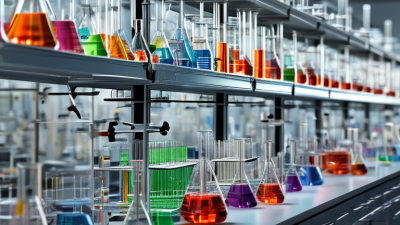
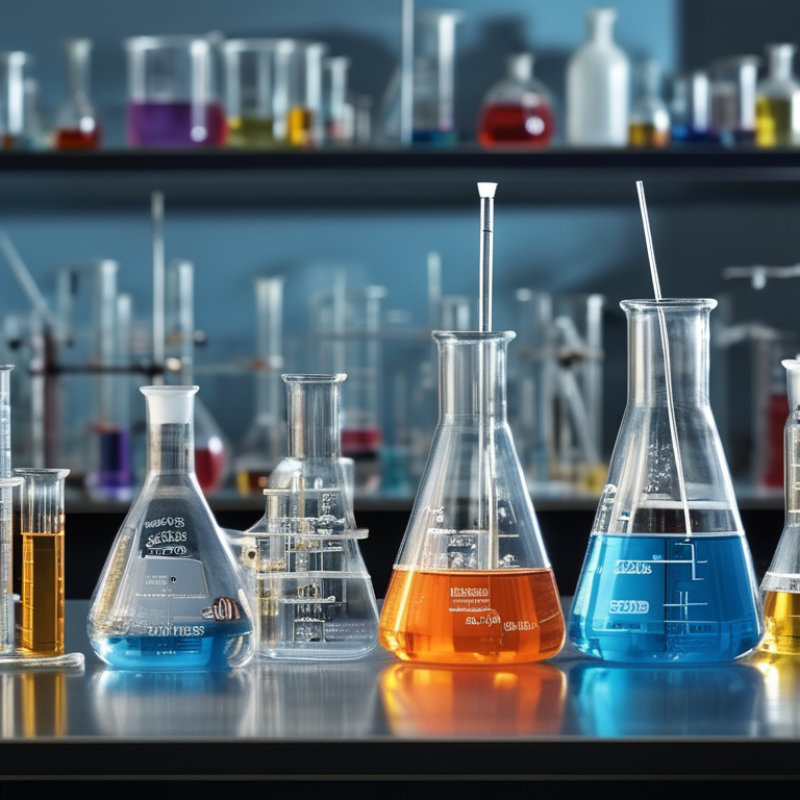
Laboratories rely on various glassware for precise measurements and experiments. Each piece serves a unique purpose that enhances the accuracy of scientific inquiry. Beakers are essential for mixing and heating liquids. They come in various sizes, allowing for flexibility in experiments. However, their shape limits precision when measuring exact volumes.
Flasks, particularly Erlenmeyer flasks, provide a stable vessel for swirling substances without the risk of spillage. Their narrow necks are ideal for reactions that require frequent swirling. While they are useful, the inability to measure exact volumes can present challenges. Graduated cylinders, in contrast, are crucial for precise volume measurements. They typically have clear markings, yet user error in reading measurements can occur.
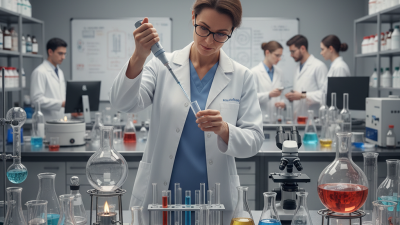
Pipettes are indispensable for transferring small volumes of liquid accurately. They come in various designs, each suited for different tasks. However, the risk of contamination during transfer must always be considered. Test tubes serve as a basic yet vital tool for holding samples, yet they don’t allow for accurate measurement. Observing reactions in these tubes can be insightful, though they need careful handling to avoid breakage. Understanding the intricacies of laboratory glassware enhances both safety and efficacy in scientific work.
Top 10 Laboratory Apparatus and Their Uses
Common Laboratory Equipment and Their Applications
Laboratories are vital in research and development. They rely on various equipment, each serving unique purposes. For instance, beakers are commonly used for mixing and heating liquids. Their measurements help ensure precision in experiments. A report by the National Institute of Standards and Technology highlights that accuracy in measurement can improve experimental outcomes by up to 40%.
Pipettes play a crucial role in transferring small volumes of liquids. Precision is essential in biochemical experiments. Misusing pipettes can lead to faulty results, emphasizing the need for training. Graduated cylinders offer more precise measurements for larger quantities. Using these tools correctly can enhance data reliability significantly.
Tips for laboratory usage: Regularly calibrate instruments. Uncalibrated tools can skew results. Also, ensure clean glassware. Contaminated equipment can lead to inaccurate conclusions. Missteps in laboratory practices can undermine the integrity of research. Careful attention to detail is essential for reliable results.
Top 10 Laboratory Apparatus and Their Uses You Must Know
| Apparatus |
Description |
Common Uses |
| Beaker |
A cylindrical container with a flat bottom and a spout. |
Mixing, heating, and measuring liquids. |
| Graduated Cylinder |
A tall, narrow container marked with a scale for measuring volume. |
Accurate measurement of liquid volumes. |
| Test Tube |
A glass tube used for holding small amounts of substances. |
Conducting reactions, heating substances. |
| Pipette |
A tube with a bulb used for transferring measured amounts of liquid. |
Precise liquid transfers. |
| Bunsen Burner |
A gas burner used in laboratories for heating substances. |
Heating and sterilization. |
| Petri Dish |
A shallow, flat dish used for culturing microorganisms. |
Cultivating bacteria and cells. |
| Funnel |
A tube with a wide top and narrow bottom used to channel liquids. |
Transferring liquids into containers. |
| Thermometer |
An instrument for measuring temperature. |
Monitoring temperatures of samples. |
| Mortar and Pestle |
A bowl and a heavy stick used for grinding substances. |
Crushing and grinding solids. |
| Safety Goggles |
Eye protection gear used in laboratories. |
Protecting eyes from chemicals and debris. |
Safety Equipment in Laboratories: Importance and Uses
In labs, safety equipment is crucial. This equipment protects staff from potential hazards. Lab coats, goggles, and gloves are common items. They help reduce exposure to chemicals and biological agents. The quality of these items can vary, and manufacturers may not always adhere to the same standards. Regular checks can improve safety.
Face shields and safety shoes are also vital. These items safeguard against spills and flying debris. It’s important that all lab personnel understand how to use them properly. Inconsistent use can lead to accidents. Training sessions should occur regularly to reinforce the importance of using safety gear.
Emergency equipment cannot be overlooked. Eyewash stations and safety showers provide immediate response options. Periodic drills can ensure staff knows how to react in an emergency. However, some may forget to check the functionality of this equipment routinely. Maintaining an effective safety culture can mitigate such issues and improve overall lab safety.
Innovative Laboratory Instruments Enhancing Research
Innovative laboratory instruments are transforming research methodologies across various fields. Technologies that were once thought to be futuristic are now integral to laboratory work. For instance, advanced spectrometers enable scientists to analyze samples with unprecedented accuracy. Their ability to detect minute changes in chemical compositions can lead to groundbreaking discoveries.
Moreover, automation in laboratories is on the rise. Robotic systems streamline repetitive tasks, allowing researchers to focus on critical analysis. These systems not only enhance efficiency but also reduce human error. However, reliance on automation raises concerns about skill gaps among new scientists. Proper training is essential to ensure that all personnel can effectively analyze data generated by these tools.
Emerging technologies also pose challenges. As labs adopt artificial intelligence for data interpretation, ethical considerations become paramount. Scientists must reflect on how AI influences decision-making processes. Striking a balance between innovation and ethics is crucial for maintaining the integrity of research. As these innovations continue to evolve, ongoing discussions about their implications will be necessary.
Basic Laboratory Tools Every Scientist Should Be Familiar With
Every scientist must be familiar with basic laboratory tools. These tools are essential for conducting experiments and gathering data. A beaker, for example, is used for mixing and holding liquids. It comes in various sizes, allowing for precise measurements.
A micropipette is crucial for transferring small volumes of liquid. It enables accurate dispensing, essential for experiments requiring precision. Be careful; improper use can lead to contamination, affecting results. Make sure to regularly calibrate your micropipette for consistent performance.
Another important tool is the Bunsen burner. This simple device provides a reliable flame for heating substances. Scientists need to handle it with care. Poor techniques might lead to accidents or inconsistent heating. Familiarity with safety protocols is vital in lab settings. Understanding the purpose and proper use of these tools can greatly enhance your experimental outcomes.