Top First Aid Bandages to Source at 2026 Canton Fair?
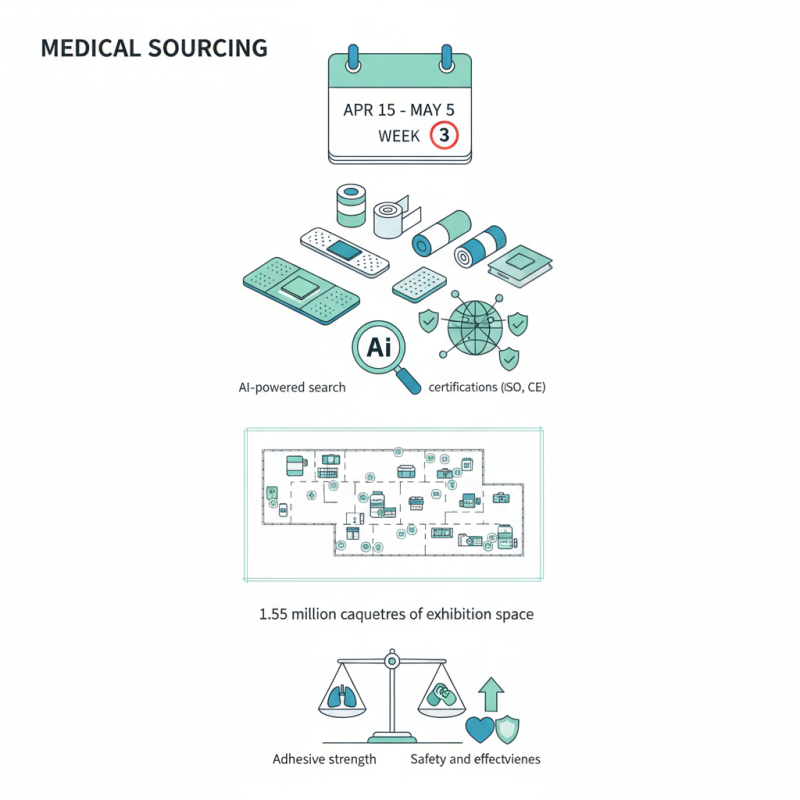
As the 2026 Canton Fair approaches, sourcing high-quality first aid bandages becomes essential for international buyers. This event, from April 15 to May 5, spans several focused weeks. The first week showcases advanced manufacturing and electronics. The third week will highlight medical and health products, making it an ideal time to explore first aid options.
The introduction of AI-powered search and navigation tools enhances the buying experience. Buyers can quickly find suppliers with necessary certifications like ISO and CE. This efficiency is crucial when selecting first aid bandages, ensuring they meet health standards. The 1.55 million square meters of exhibition space will allow for diverse product exploration.
While sourcing, it's vital to reflect on quality. Not all first aid bandages are created equal. Some may lack essential features like breathability or adhesive strength. Evaluating these elements will lead to better purchasing decisions. Buyers should remember that safety and effectiveness should guide their choices.
Top Trends in First Aid Bandage Design for 2026
As we approach the 2026 Canton Fair, exciting trends are emerging in first aid bandage design. Innovative materials are becoming more common. Many companies are exploring eco-friendly options. These materials not only support sustainability but also enhance skin breathability and comfort. This shift reflects growing consumer awareness about environmental issues.
Customization is another key trend in bandage design. Some prototypes feature adjustable sizes and shapes. This personalization caters to individual needs, providing better protection for various injuries. Bright colors and appealing patterns are also gaining popularity, especially for children's bandages. Eye-catching designs can make first aid less daunting for kids.
Yet, challenges remain in the industry. For instance, finding a balance between durability and comfort can be tricky. Some designs might compromise effectiveness for aesthetics. Using advanced technology could help bridge this gap. However, not all manufacturers are investing in research. Maintaining high standards is crucial as trends evolve rapidly. The future of first aid bandages looks promising, but some issues need addressing.
Market Analysis: Projected Growth of First Aid Bandages Industry
The first aid bandages market is projected to grow significantly by 2026, according to industry reports. The global market for first aid supplies is expected to reach about $10 billion by then, driven by an increasing emphasis on health and safety. Advances in product technology and materials are improving the effectiveness and comfort of bandages.
Healthcare facilities and households now prioritize preparedness for emergencies. Many people choose high-quality, reliable bandages for minor injuries to ensure the best recovery outcomes. Essential features include waterproof capabilities, breathability, and hypoallergenic materials. It's crucial to source bandages that align with your audience's needs.
Tips: Always assess the target market. Understand the demographics, lifestyle, and specific needs. This knowledge helps in tailoring products effectively. Consider how trends in injury prevention and wellness can influence preferences. Bandages are evolving; new designs are appearing regularly, improving their use in daily life. It's essential to stay updated and adapt to changes.
Key Features to Prioritize in Bandage Selection at Canton Fair
When attending the 2026 Canton Fair, selecting the right first aid bandages is crucial. Look for bandages that prioritize flexibility and breathability. A good bandage should allow skin to breathe while still offering support. Soft materials can help reduce irritation and discomfort.
Consider the adhesive quality as well. It should be strong enough to keep the bandage in place, yet gentle on the skin for easy removal. Some may not stick well to wet skin, so testing this feature is important. Size variety is another key feature. Having different sizes provides versatility for treating various injuries.
Pay attention to packaging as well. Compact, easy-to-carry designs are a bonus. Inadequate packaging could lead to contamination. Lastly, don’t overlook waterproof options. They offer extra protection in wet conditions. Assessing these features can lead to better choices at the fair. Always think critically about your needs when browsing products.
Top First Aid Bandages to Source at 2026 Canton Fair? - Key Features to Prioritize in Bandage Selection at Canton Fair
| Bandage Type | Material | Adhesive Strength | Water Resistance | Size Options |
| Adhesive Plaster | Fabric | Strong | Yes | 1" x 3", 2" x 4" |
| Hydrocolloid Dressing | Gel | Medium | Waterproof | Various Sizes |
| gauze bandage | Cotton | Weak | No | 2" x 2", 4" x 4" |
| Elastic Bandage | Elastic Fabric | Strong | Yes | Various Widths |
| Antiseptic Dressing | Foam/Film | Strong | Water Resistant | 2" x 3", 4" x 6" |
Sustainable Materials in First Aid Bandages: Eco-Friendly Innovations
The demand for eco-friendly first aid bandages is growing. Traditional materials pose environmental concerns. Many consumers are now seeking sustainable options that minimize their ecological footprint. According to a report by Global Industry Analysts, the market for sustainable medical products is projected to reach $1 billion by 2026.
Innovative materials like bamboo charcoal and recycled fibers are emerging. These alternatives offer antimicrobial properties while being biodegradable. Statistics show that 30% of medical waste contributes to pollution, highlighting the need for sustainable solutions. In this context, first aid bandages made from organic cotton and plant-based adhesives are gaining traction. They not only ensure safety but also align with eco-conscious values.
However, challenges remain. The production of these materials can be costlier. This raises concerns about accessibility and affordability. Balancing sustainability with cost-effectiveness is crucial for widespread adoption. Developing countries may face hurdles adapting to these innovations. Pushing for broader acceptance in the market requires continuous education on their benefits. Users often need assurance about the efficacy of these new products, which is still evolving.
Safety Standards and Regulations for Bandages in Healthcare Settings
In healthcare settings, safety standards for bandages are paramount. These regulations ensure that bandages are effective and safe for patients. Quality materials are essential to prevent infections. The color and design of bandages can also play a role in patient compliance. Many prefer those that blend with skin tone or have fun designs.
Regulations often include testing for durability and breathability. Some bandages offer moisture control to keep wounds dry. However, not all products meet these criteria. There can be inconsistencies depending on the manufacturer. Inaccurate labeling can mislead healthcare providers during critical moments.
Finding the right bandages at events like the Canton Fair is crucial. Buyers must evaluate the products based on safety standards. They should inspect samples closely. Feedback from other healthcare professionals is invaluable. Each choice can impact patient care significantly.