

NEWS AND UPDATES
The latest updates regarding our products and our company

What is Metal Stamping Dies and How Do They Work?
Metal Stamping Dies play a vital role in manufacturing. These tools are essential for shaping and cutting metal sheets into precise forms. The process of metal stamping is intricate, requiring careful design and execution. With the right dies, manufacturers can create complex parts efficiently.
The effectiveness of metal stamping dies lies in their ability to produce consistent quality. They are used in various industries, from automotive to electronics. However, not all dies are created equal. The choice of materials and design significantly impacts the final product's quality. A poorly designed die can lead to defects and increased costs.
Understanding metal stamping dies involves recognizing their challenges and benefits. Each die must be tailored for specific tasks. This customization can be time-consuming and requires expert knowledge. Over time, manufacturers may need to reevaluate their die designs to adapt to changing demands. This reflection can lead to improvements in efficiency and cost-effectiveness.
What Are Metal Stamping Dies?
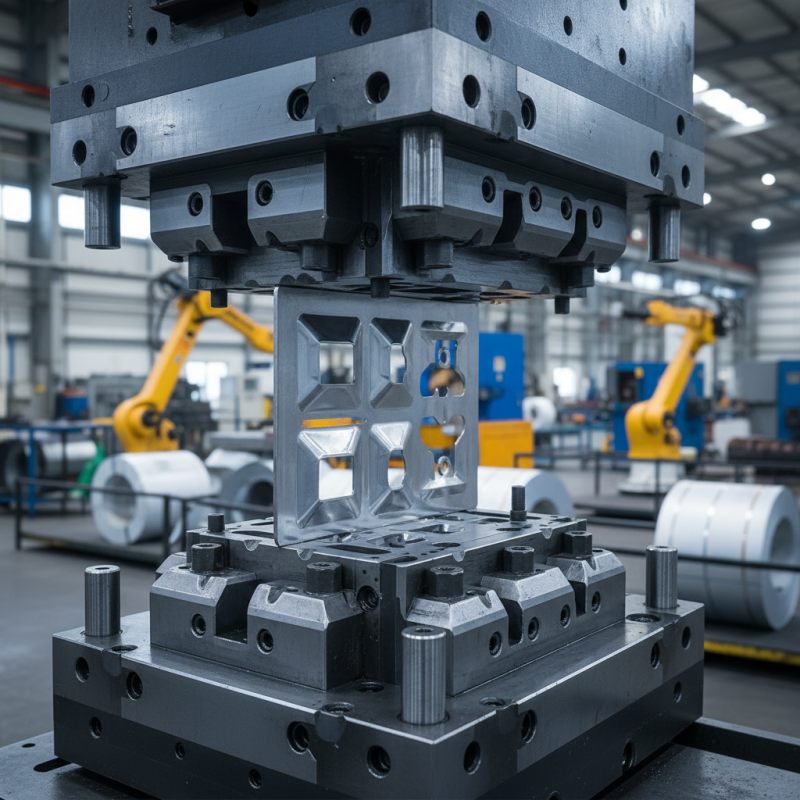
Metal stamping dies are essential tools in the manufacturing sector. They shape various materials into precise components. These dies are utilized in industries like automotive, electronics, and aerospace. According to a report by Research and Markets, the global metal stamping market is estimated to reach $280 billion by 2027. This growth demonstrates the increasing reliance on metal stamping techniques.
In essence, metal stamping dies are custom-designed molds. They form parts through a pressing process. The dies can produce intricate designs with high accuracy. Significant factors, like material thickness and desired shapes, influence their design. Standard metal stamping methods include progressive die stamping and compound die stamping. Each method serves unique manufacturing needs.
Challenges arise in the die-making process. The costs can escalate, especially for intricate designs. Moreover, longevity and durability of the dies are critical; poor-quality dies lead to production delays. Industry experts suggest regular maintenance to ensure operational efficiency. Understanding these elements can help companies make informed decisions regarding their manufacturing processes.
What is Metal Stamping Dies and How Do They Work?
| Dimension | Description | Materials Used | Application Field | Advantages |
|---|---|---|---|---|
| Thickness | Commonly ranges from 0.1 mm to 10 mm | Stainless Steel, Aluminum, Copper | Automotive, Electronics, Aerospace | High precision and repeatability |
| Die Types | Progressive, Compound, Single-station | Tool Steel, Carbide | Manufacturing, Construction, Medical | Cost-effective for large volumes |
| Average Cycle Time | Typically 1-5 seconds | Mild Steel, Alloy Steels | Consumer Goods, Appliances | Minimizes waste material |
| Maintenance Frequency | Every 500-1000 press cycles | Bronze, Plastic Components for wear parts | Industrial Equipment, HVAC | Improves tool life and performance |
Types of Metal Stamping Dies and Their Applications
Metal stamping dies are essential tools in manufacturing, enabling precision shaping of metal. Various types exist, each tailored for specific applications. Progressive dies are popular for high-volume production. They allow multiple operations in a single stroke, which boosts efficiency. According to a recent industry report, about 40% of metal stamping operations use progressive dies, demonstrating their relevance.
Another common type is transfer dies. These are ideal for large, complex parts. They transport metal between stations, allowing for intricate designs and shapes. Statistics indicate that transfer die usage is increasing, especially in the automotive sector, where specific designs require precise tolerances. The demand for lightweight and durable materials also drives interest in new die designs.
Single-station dies are often overlooked, yet they play a crucial role in prototyping. They are less expensive and suitable for small production runs. However, their limitations become apparent in high-volume settings. Manufacturers need to evaluate their production needs to choose the right type of die. Balancing cost, efficiency, and quality can be a challenging task for many companies in this field.
Types of Metal Stamping Dies and Their Applications
This chart illustrates the different types of metal stamping dies and their respective applications in various industries. The data represents the frequency of use in percentage for each type of die.
How Metal Stamping Dies Are Made: The Manufacturing Process
Metal stamping dies are essential tools in manufacturing. They create precise shapes and components from sheet metal. Understanding how these dies are made can shed light on their importance in the production process.
The manufacturing of metal stamping dies begins with detailed design work. Engineers use CAD software to create intricate blueprints. These designs must account for material thickness, shape complexity, and intended use. Once finalized, the next step involves selecting the right materials for durability and efficiency. High-grade steel is often chosen for its strength and longevity.
After material selection, the real crafting begins. The steel is cut into rough shapes using laser or water jet cutting. Then, it undergoes machining to achieve the fine details specified in the design. This part of the process demands precision and skill, as even slight errors can lead to defects in future stamped products. Finally, the dies are tested on prototypes. This stage is crucial; adjustments are often necessary, leading to iterations that refine the final product. Every step requires attention to detail, and reflections on the process can inspire better techniques in the future.
The Working Mechanism of Metal Stamping Dies
Metal stamping dies are essential tools in manufacturing. They facilitate the process of shaping metal sheets into desired forms. Understanding how they work is vital for anyone interested in metal fabrication.
The working mechanism of metal stamping dies involves several key components. A die typically consists of a male and female part. The metal sheet is placed in between these two parts. When pressure is applied, the metal conforms to the shape of the die, resulting in a precise component. This process can produce various shapes, from simple cutouts to complex designs.
Tips: Always check the alignment before starting the stamping process. Misalignment can lead to defective parts. Regular maintenance of the dies can extend their lifespan and improve performance. Be cautious of metal fatigue; overusing the same die can cause wear and inconsistencies in production.
Benefits of Using Metal Stamping Dies in Manufacturing Processes
Metal stamping dies play a crucial role in manufacturing processes. They are essential for producing precise and intricate designs in metal components. Many industries rely on this technique for various applications, from automotive to aerospace. According to industry reports, metal stamping can improve production efficiency by up to 50%, reducing waste significantly.
The benefits of using metal stamping dies include high accuracy and repeatability. Manufacturers can achieve tolerances as tight as ±0.002 inches in some cases. This precision is vital for parts that must fit together perfectly, such as in machinery or electronic devices. Additionally, the ability to work with various materials, including steel and aluminum, expands design possibilities. Metal stamping dies can produce thousands of parts in a day, enhancing productivity for manufacturers.
Cost efficiency is another notable advantage. The initial investment in stamping dies may be high, but the long-term savings are significant. Increased production speed reduces labor costs and material waste. However, it requires skilled engineers to design and maintain the dies, which can be a challenge for some companies. Balancing quality and cost is crucial in this competitive field. Manufacturers must continuously evaluate their processes to optimize performance.
Article Source:
Schedule
Monday to Thursday:
8:15 – 17:00
Friday:
8:00-15:00
Address
Leonardo Da Vinci, 10
Valencia Technology Park
46980 Paterna, Valencia, SPAIN
Real Laboratory SL
info@site_e1c8a3bd-d539-4d7f-8695-37f21373de39
Teléfono: +34 96 136 61 07
