
NEWS AND UPDATES
The latest updates regarding our products and our company

What Are the Key Features of the Lab of the Future?
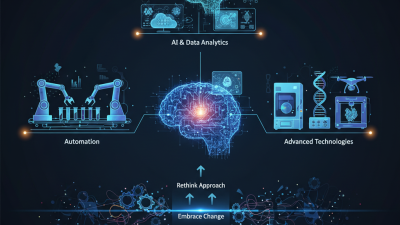
The concept of the "lab of the future" is rapidly evolving. Recent reports indicate that digital transformation is reshaping laboratory environments globally. According to a 2023 study from Lab Automation, 70% of laboratories are prioritizing automation and data integration. These trends are not merely conveniences; they are necessities for optimizing productivity and advancing research capabilities.
Key features of the lab of the future include smart technology, enhanced safety protocols, and sustainable practices. For instance, laboratories adopting AI and machine learning can process data 50% faster than traditional methods. However, reliance on technology can lead to unforeseen challenges, such as data privacy concerns and the need for cybersecurity measures.
Flexibility and adaptability are paramount in this transition. Labs must be designed to evolve alongside emerging technologies. Quite often, facilities struggle to balance innovation with practical constraints. Therefore, while envisioning the lab of the future, it is essential to reflect on these challenges and opportunities alike.
Key Characteristics of Advanced Laboratory Design
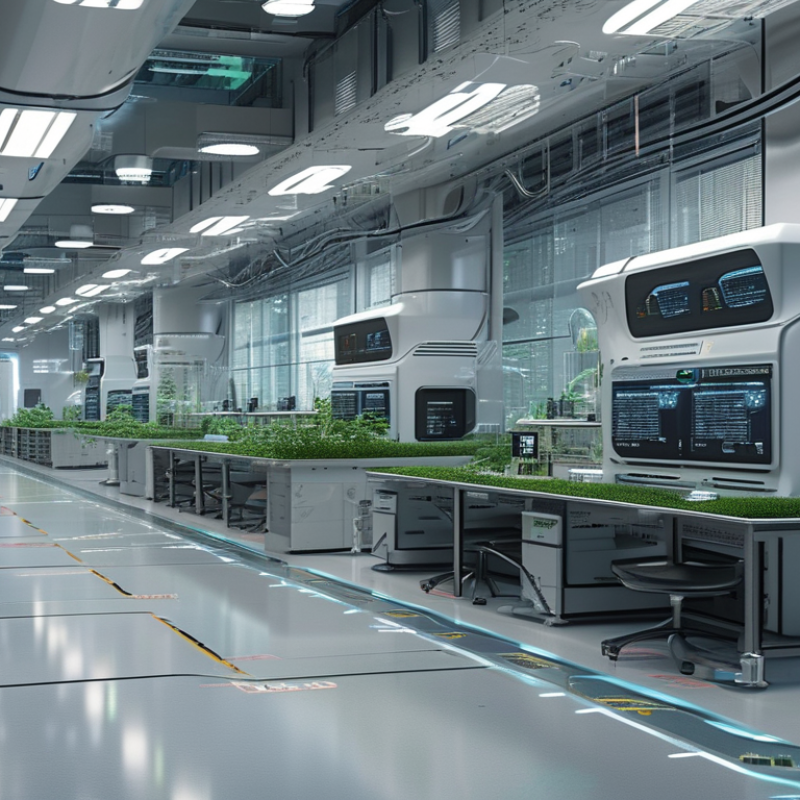
The Lab of the Future embodies essential characteristics that enhance efficiency and reliability. Advanced laboratory design focuses on flexible spaces that adapt to changing research needs. This design minimizes disruptions and promotes collaboration among diverse teams. Modular furniture and movable workstations are common elements. They allow easy reconfiguration for various projects.
Another important feature is sustainability. Laboratories utilize energy-efficient systems and environmentally-friendly materials. These initiatives reduce the carbon footprint significantly. Natural light enhances the workspace, promoting well-being and productivity. Beyond aesthetics, these features reflect a commitment to responsible research practices.
Safety and compliance are pivotal. Advanced labs integrate smart technologies for real-time monitoring. These systems detect risks and ensure a safe environment. However, implementing these technologies can be challenging. Some labs may lag in adopting the latest innovations. Continuous evaluation and improvement are necessary for maintaining safety standards while embracing innovation.
Integration of Automation and Robotics in Modern Labs
Automation and robotics are redefining modern laboratories. These technologies enhance efficiency and precision in experiments. Robotic arms can handle repetitive tasks, reducing human error. Automating sample processing speeds up results. It’s transforming workflows significantly.
Integrating these features requires careful planning. Labs must adapt to new systems and ensure staff is trained appropriately. Resistance to change is common, and this can hinder progress. Some labs may struggle with costly investments in robotics. Balancing technology and human expertise is crucial. There is still a learning curve involved in this integration.
Despite the challenges, the benefits are clear. The lab of the future is more productive and capable. Integration can lead to innovative findings. However, it’s essential to constantly assess how these technologies affect daily operations. Continuous improvement is necessary for success.
Key Features of the Lab of the Future: Integration of Automation and Robotics
Data Management and Analysis in the Future Lab Environment
In the lab of the future, data management and analysis will play pivotal roles. Researchers will rely on sophisticated systems to gather and interpret vast amounts of data. This shift towards data-centric approaches will enhance decision-making. Automation will streamline processes, but it also raises questions about accuracy.
Data integrity is crucial. Automated systems must be programmed correctly to ensure they convey reliable results. Human oversight remains essential to catch potential errors. Regular audits can help maintain high standards.
Here’s a tip: prioritize training on data management tools. Empower your team with the skills needed for modern data analysis. Moreover, encourage a culture of questioning results, fostering innovation. Stay informed about emerging technologies; they can greatly enhance lab efficiency.
Sustainability Practices and Green Technologies in Laboratories
Sustainability and green technologies are essential in the lab of the future. Laboratories consume vast amounts of resources and produce significant waste. Implementing eco-friendly practices can mitigate these issues. For example, using energy-efficient equipment is a practical step. Opt for devices with low energy consumption to reduce your carbon footprint.
Another trend is waste minimization. Laboratories should emphasize recycling and proper waste segregation. Biodegradable materials can replace traditional lab supplies. This shift not only supports environmental goals but also promotes sustainable thinking among staff.
Tips: Consider establishing a green committee. Encourage collaboration among team members to identify and share sustainable practices. Regular training sessions can keep everyone informed about new eco-friendly technologies. Remember, small changes can lead to substantial impacts over time.
Collaboration and Connectivity in Scientific Research Spaces
Collaboration and connectivity are transforming scientific research spaces. Modern laboratories require seamless integration of technologies and workflows. Researchers need tools that allow them to share data in real time. Imagine scientists from different fields connecting through digital platforms. This fosters innovation and enhances problem-solving capabilities.
However, collaboration isn't always straightforward. Diverse teams may face communication challenges. Misunderstandings can arise from differing terminologies or practices. Laboratories must prioritize creating a culture of open communication. Workshops on collaborative skills can break down these barriers.
Another concern is the physical setup of labs. Spaces need to accommodate both teamwork and individual work. Flexible layouts can encourage spontaneous discussions. Some labs have adopted open spaces, but this can sometimes lead to distractions. Balancing privacy and openness is essential. Creating a lab of the future means addressing these nuanced needs while promoting a collaborative environment.
What Are the Key Features of the Lab of the Future? - Collaboration and Connectivity in Scientific Research Spaces
| Feature | Description | Benefits |
|---|---|---|
| Collaboration Tools | Platforms enabling real-time communication and project management among researchers. | Enhanced teamwork and efficiency in research projects. |
| Data Integration Systems | Systems that consolidate data from multiple sources for easy access and analysis. | Improved data accuracy and accessibility for researchers. |
| Remote Research Capabilities | Technologies that allow scientists to conduct experiments and access equipment remotely. | Flexibility for researchers and increased utilization of lab resources. |
| Advanced Analytical Tools | Tools that employ AI and ML to analyze data for scientific insights. | Accelerated discovery and deeper insights from research data. |
| Sustainability Features | Incorporation of eco-friendly practices and materials in laboratory setups. | Reduced environmental impact and improved lab safety. |
Related Posts
-
How to Build the Lab of the Future for Enhanced Research and Innovation?
-

How to Identify Lab Apparatus and Their Uses Effectively?
-
Top Laboratory Equipment You Need for Your Research?
-
What is a Microbiology Lab and What Do They Do?
-
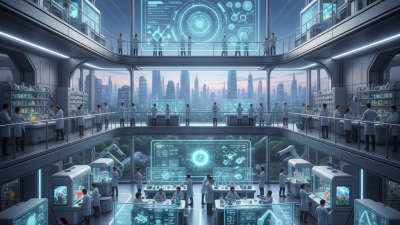
Top 10 Science Labs That Inspire Innovation and Discovery?
-
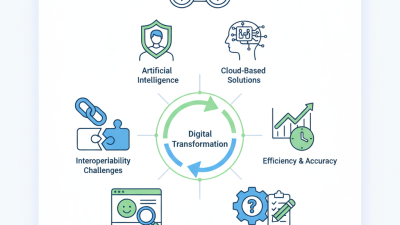
2026 Top Laboratory Information System Innovations and Trends?
Schedule
Monday to Thursday:
8:15 – 17:00
Friday:
8:00-15:00
Address
Leonardo Da Vinci, 10
Valencia Technology Park
46980 Paterna, Valencia, SPAIN
Real Laboratory SL
info@site_e1c8a3bd-d539-4d7f-8695-37f21373de39
Teléfono: +34 96 136 61 07