

• NEWS AND UPDATES

    The latest updates regarding our products and our company

How to Source Canadian Cigarette Brands Legally?

Sourcing Canadian cigarette brands legally requires more than finding a familiar package online. In Canada, tobacco sales are controlled through federal excise rules, provincial legislation, licensing requirements, and strict age-verification standards. Health Canada’s 2022 Canadian Tobacco and Nicotine Survey reported that roughly one in ten adults smoked cigarettes. The World Health Organization’s 2023 tobacco-control report also emphasizes taxation, health warnings, and traceability as core safeguards.

Buy only through authorized Canadian retailers. Check the package for a valid federal excise stamp, clear health warnings, and standard Canadian labeling. Keep the receipt. It creates a simple record of where the product came from. A polished website proves little. Some online listings omit tax information, seller details, or provincial restrictions.

Rob Cunningham, a senior policy analyst with the Canadian Cancer Society, has warned, “Tobacco is the only legal consumer product that kills one-half of its long-term users when used as intended.” That warning should frame any discussion of Canadian cigarette brands. Legal availability does not mean safe use. It means the product has passed a regulated sales process.

Provincial rules can differ. Retailers may also have separate licensing obligations. Confirm current requirements with the Canada Revenue Agency, Health Canada, and your provincial government before purchasing. Regulations change. Sometimes, official guidance is less convenient than a quick search. It is still more reliable. This article will examine documentation, packaging, retailer verification, and common compliance mistakes without promoting tobacco consumption.
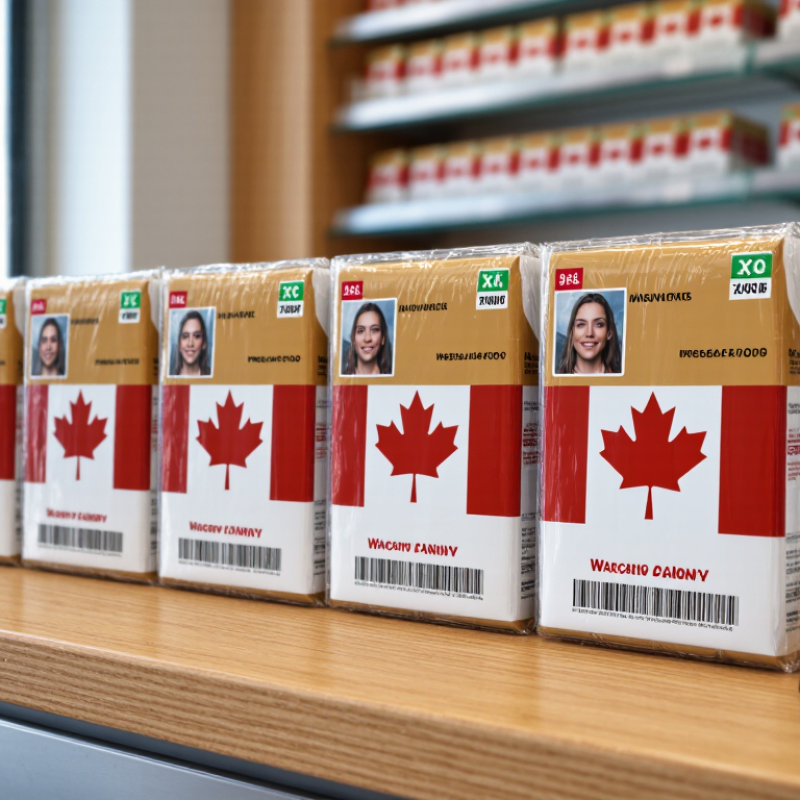
How to Source Canadian Cigarette Brands Legally?

Define Legal Supply Channels Under Canada’s Excise Act and TVPA

How to Source Canadian Cigarette Brands Legally?

Legal sourcing starts with the Excise Act, 2001, not a casual supplier agreement. A compliant buyer should work with licensed manufacturers, importers, or authorized provincial distributors. Each shipment needs clear invoices, duty-paid status, and traceable product records. Check the excise stamp, package markings, quantity, and delivery address before accepting goods.

Paperwork matters.

The Tobacco and Vaping Products Act, or TVPA, adds strict rules for packaging, promotion, sales, and access by minors. Suppliers must avoid prohibited claims, lifestyle advertising, and packaging that appeals to young people. Retailers also need to follow provincial age-verification rules and display restrictions. Requirements can differ between provinces and territories. Confirm current obligations with the Canada Revenue Agency, Canada Border Services Agency, Health Canada, and the relevant provincial authority.

A practical compliance file should contain permits, supplier details, purchase invoices, shipment records, and written verification of duty payment. A polished invoice is not proof of legality.

That distinction matters.

Product offered through private messages, unverified websites, or unclear cross-border channels deserves careful review. I would pause when a supplier refuses documentation, even when the price looks attractive. Regulations change, and memory is not a reliable compliance system. An experienced customs broker or Canadian legal adviser can identify gaps before a purchase creates penalties, seizure risks, or reputational damage.

Confirm CRA Licensing, Import Permits, and Excise-Stamped Packages

How to Source Canadian Cigarette Brands Legally?

Legal sourcing begins with documentation, not product selection. Confirm whether your business needs a CRA tobacco licence or registration before negotiating with suppliers. Requirements may vary by activity, province, and transaction structure. Check import permits through the appropriate federal authorities and confirm customs obligations before shipment. A licensed customs broker can help, but responsibility still remains with the importer.

Every package should carry the required Canadian excise stamp. Inspect the stamp, package markings, tax information, and product description before accepting delivery. Do not rely on photographs alone. Ask for commercial invoices, lot details, shipping records, and proof that applicable duties were paid. Keep these records in an organized file. Small gaps can become expensive problems.

Use suppliers willing to answer compliance questions in writing. Refuse loose cartons, altered packaging, unclear origins, or unusually low prices. They create avoidable risk. Provincial rules may also affect sales, storage, labeling, and distribution, so review them separately. A checklist helps, though it is not perfect. Regulations change, and a previously approved process may need another review. When uncertain, obtain advice from CRA, the relevant import authority, or a qualified Canadian trade lawyer before placing an order.

Apply Health Canada’s 75% Warning-Label and Plain-Packaging Rules

How to Source Canadian Cigarette Brands Legally?

Legal sourcing begins with compliant packaging, not attractive product design. In Canada, tobacco packages must use plain packaging under federal regulations. Health warnings must cover 75% of the principal display areas. They must remain clear, prominent, and easy to read. Colours, fonts, and layouts are tightly controlled. Retailers should inspect cartons before accepting delivery. A damaged warning panel can create a compliance concern.

A damaged warning panel can create a compliance concern.

Work only with licensed Canadian manufacturers, wholesalers, or importers. Ask for current compliance documents, product invoices, and applicable excise information. Packaging should display required warnings in both official languages where regulations require it. Do not accept altered packs, foreign-market packaging, or products with missing markings. These details can look minor. They are not.

Tips: Keep dated photographs of every shipment. Compare warning placement against current federal guidance. Train staff to reject opened or suspicious cartons. Check provincial retail rules as well, because requirements can differ. Professional advice helps when a shipment crosses provincial or national borders. Regulations change, and relying on an old checklist may be a mistake. Review official Health Canada and Canada Revenue Agency guidance before ordering. mootummaa

Calculate GST/HST, Excise Duty, and CBSA’s 200-Cigarette Limit

Sourcing Canadian cigarette brands legally begins with a licensed Canadian wholesaler or an authorized provincial retailer. Keep the commercial invoice, supplier details, and product records. Age restrictions apply, and provincial tobacco rules can differ. I would not rely on a supplier’s verbal promise. Ask for written proof of authorization.

For a personal import, CBSA’s 200-cigarette limit matters. The allowance generally applies after meeting the required travel period and declaring the cigarettes. Duty-free treatment may depend on Canadian duty-paid markings. Unmarked products can attract special duty, even when the quantity is 200 cigarettes. Check the latest CBSA guidance before travelling.

Calculate federal excise duty by multiplying the cigarette quantity by the current federal rate per cigarette. For example, 200 cigarettes multiplied by the published rate gives the excise amount. Then calculate GST or HST on the applicable customs value, including customs duty and excise duty where required. Provincial tobacco tax may also apply. The exact total depends on the province, product marking, purchase value, and current rates. My first estimate once ignored provincial tax, which made the result look safer than it was. Use current CBSA, CRA, and provincial government rates, not an old calculator. Keep receipts and declare the full quantity.

How to Source Canadian Cigarette Brands Legally? - Calculate GST/HST, Excise Duty, and CBSA’s 200-Cigarette Limit

Category Verified Dimension Real Requirement or Rate Calculation / Compliance Note
Legal sourcing Commercial import status Commercial importers must comply with the Excise Act, 2001, the Customs Act, and applicable tobacco-product requirements. Use a licensed and authorized supply chain, maintain commercial invoices, and declare the correct tariff classification, quantity, value, and origin.
Canadian tobacco marking Commercial tobacco products generally require the applicable Canadian excise stamp or marking before legal sale in Canada. Unmarked or improperly marked products can be detained, seized, or assessed for additional duties and penalties.
Age restriction Federal law prohibits supplying tobacco products to persons under 18; provinces and territories may set a higher minimum age. Verify the purchaser’s age under the rules of the province or territory where the sale occurs.
Product presentation Tobacco products must comply with Canadian packaging, health-warning, promotion, and advertising restrictions. Do not rely on foreign packaging as proof of Canadian retail compliance.
Federal excise duty Tax base Cigarette excise duty is generally calculated on a per-cigarette basis under the federal excise-duty schedule. Excise duty = Number of cigarettes × Current CRA cigarette-duty rate per cigarette.
Rate verification Federal excise rates are periodically adjusted and must be checked against the current Canada Revenue Agency excise-duty rate table. Use the rate effective on the date of manufacture, importation, or other applicable accounting event.
Illustrative calculation Quantity: 2,000 cigarettes; current rate: R dollars per cigarette. Federal excise duty = 2,000 × R = 2,000R dollars. Replace R with the current CRA-published rate before payment or filing.
GST/HST calculation GST/HST tax base For an imported taxable supply, GST/HST is generally calculated on the customs value plus applicable customs duties and excise taxes. GST/HST base = Customs value + Customs duty + Federal excise duty + Other taxable adjustments.
Ontario example Ontario HST: 13%. HST = GST/HST base × 13%.
Example using variables Customs value: $400; customs duty: $0; excise duty: $2,000R. Ontario HST = ($400 + $0 + $2,000R) × 13%.
Input tax credit A GST/HST-registered business may be able to claim eligible GST/HST paid as an input tax credit, subject to recordkeeping and eligibility rules. Federal excise duty is not generally recoverable as a GST/HST input tax credit.
Provincial and territorial sales tax Alberta, Northwest Territories, Nunavut, Yukon GST: 5%; no provincial HST component. Provincial tobacco taxes may apply separately.
British Columbia Combined GST/PST framework: GST 5% plus applicable provincial tobacco tax. Confirm the current provincial tobacco-tax rate and registration obligations before sale.
Saskatchewan and Manitoba GST 5% plus applicable provincial sales or tobacco taxes. Provincial tobacco taxes are separate from federal excise duty and GST.
Ontario HST: 13%, plus applicable provincial tobacco tax. Use the Ontario HST rate for the HST component and calculate tobacco tax separately where applicable.
Quebec and Atlantic provinces Quebec: GST 5% plus QST 9.975%; New Brunswick, Newfoundland and Labrador, Nova Scotia, and Prince Edward Island: HST 15%. Check the place-of-supply rules and separate provincial tobacco-tax obligations.
CBSA personal import limit 200-cigarette allowance After an absence from Canada of at least 48 hours, a resident or visitor may generally include up to 200 cigarettes in the personal exemption, subject to the applicable conditions. The allowance is a personal exemption, not a commercial-import authorization.
Absence under 48 hours The general 24-hour personal exemption does not provide a tobacco allowance. Declare tobacco products and follow the CBSA assessment rules if carrying tobacco into Canada.
More than 200 cigarettes Amounts above the personal exemption may be assessed for duties and taxes and may be subject to additional restrictions. Excess quantity does not become duty-free merely because it is carried in personal luggage.
Canadian duty-paid marking Cigarettes manufactured in Canada and brought back by a traveler may need the required Canadian duty-paid marking to qualify for the personal exemption. Unmarked cigarettes can be subject to special duty even when the quantity is within 200 cigarettes.
Declaration requirement All tobacco products must be declared to the Canada Border Services Agency when entering Canada. Failure to declare may result in seizure, penalties, or prosecution.
Total landed-cost model Core formula Customs value + customs duty + federal excise duty + GST/HST + applicable provincial tobacco tax + brokerage and transportation. Total landed cost = V + C + (Q × R) + T + P + B.
Variable definitions V = customs value; C = customs duty; Q = cigarette quantity; R = current federal excise rate; T = GST/HST; P = provincial tobacco tax; B = brokerage and transportation. Use official rates applicable to the import date, destination province, tariff classification, and transaction type.
Records to retain Commercial invoice, packing list, transport document, customs accounting records, excise documentation, tax registration details, and proof of payment. Accurate records support customs valuation, tax reporting, audit readiness, and proof of lawful sourcing.
Important: Federal excise-duty rates, customs treatment, provincial tobacco taxes, packaging rules, and personal-import conditions can change. Confirm the current requirements with the Canada Revenue Agency, the Canada Border Services Agency, and the relevant provincial or territorial authority before importing or selling tobacco products.

Verify Suppliers Against Provincial Age Laws and CBSA Requirements

How to Source Canadian Cigarette Brands Legally?

Legal sourcing begins with supplier verification, not a product catalogue. Confirm the supplier’s registered business name, Canadian address, tax details, and tobacco-related authorization. Ask for current invoices, import records, and proof of excise compliance. A polished website proves very little. Request documents directly.

Provincial age laws can differ, so check the destination province before accepting an order. Confirm the legal purchase age, retail licensing rules, delivery restrictions, and staff identification procedures. A supplier should explain how it prevents sales to underage customers. Keep written records of these checks. They may protect your business during an inspection.

For imported products, review Canada Border Services Agency requirements before shipment. Verify tariff classification, duties, taxes, packaging rules, and required permits with a customs professional. Products should carry lawful Canadian excise markings and compliant health warnings. Never accept loose cartons, altered labels, or unclear shipping documents. Those details deserve attention.

Use a supplier checklist and revisit it regularly. Regulations change. A spreadsheet can still contain a bad assumption. I would also verify the supplier through independent government sources, rather than trusting scanned certificates alone. When answers remain vague, pause the purchase and seek professional advice. Small delays are cheaper than a rejected shipment or a provincial penalty.

Article Source: