

• NEWS AND UPDATES

    The latest updates regarding our products and our company

How to Choose the Right Laboratory Supplies for Your Needs?

Selecting the right laboratory supplies is crucial for scientific success. According to a report by the Analytical Chemistry Association, 70% of lab errors stem from inadequate supplies. These errors can delay research and increase costs. Quality materials enhance accuracy and efficiency in experiments.

Laboratory supplies encompass a wide range of items, including glassware, chemicals, and safety equipment. The market for laboratory supplies is projected to reach $40 billion by 2026, indicating growing industry demands. Yet, many novices face challenges in selecting the appropriate products. Misjudging the right specifications can lead to suboptimal results.

Choosing laboratory supplies involves understanding your specific needs and the intended applications. Not all products serve every purpose effectively. For instance, using incorrect pipettes can lead to inaccurate measurements. Reflecting on personal experience, it's clear that trials often reveal essential insights. Evaluating needs and options carefully can help streamline the selection process, ensuring that you don't overlook critical factors.

How to Choose the Right Laboratory Supplies for Your Needs?

Understanding Your Laboratory's Specific Requirements
How to Choose the Right Laboratory Supplies for Your Needs?

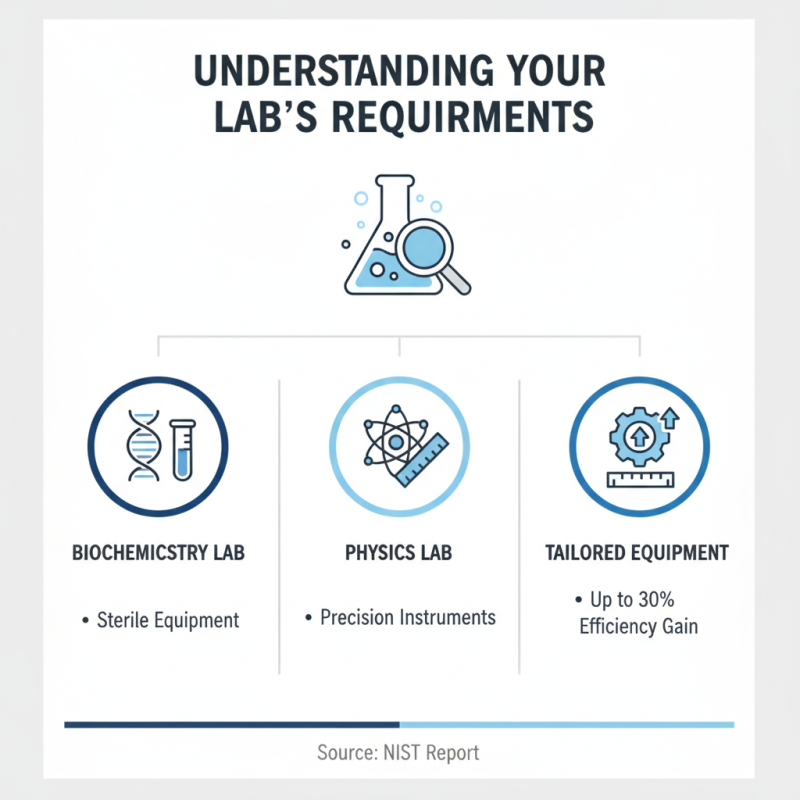
When selecting laboratory supplies, it is crucial to understand your laboratory’s specific requirements. Every laboratory has unique needs based on its field of study. For instance, a biochemistry lab might prioritize sterile equipment, while a physics lab may focus on precision instruments. A report from the National Institute of Standards and Technology highlights that laboratories employing tailored equipment can increase efficiency by up to 30%.

Evaluate the type of experiments conducted in your lab. For example, if you deal with hazardous materials, invest in proper safety gear and containment supplies. A survey conducted by the Laboratory Safety Institute found that 20% of laboratory accidents stem from inadequate safety measures. Understanding your specific environment allows for informed decisions about the supplies necessary for both safety and productivity.

Budget constraints often complicate matters. Many laboratories operate with tight funding, leading to compromises. Choosing lower-quality supplies might seem cost-effective but can affect results. A study published in the Journal of Laboratory Automation observed that high-quality instruments can improve data accuracy, with variations affecting outcomes by as much as 15%. Reflecting on these factors can help ensure supplies meet both technical requirements and budget limits.

Identifying Essential Types of Laboratory Supplies

Choosing the right laboratory supplies can be daunting. It's crucial to identify the essential types that meet your specific needs. Understanding the function of each type can streamline your selection.

When considering supplies, think about safety equipment first. Items such as gloves and goggles protect against chemicals. They ensure a secure work environment. Next up are glassware and plasticware. Beakers, flasks, and petri dishes come in various sizes. Each serves a distinct purpose. Recognizing these uses is vital to avoid confusion and accidents.

It's equally important to think about consumables. Items like pipette tips and gloves often get overlooked. However, these are fundamental for daily operations. Without them, workflows can stall. Consider your experiments and their requirements carefully. Every detail matters in a lab setting, even if they seem minor. Reflecting on past experiences can guide your future choices.

Types of Laboratory Supplies

Evaluating Quality and Reliability of Laboratory Equipment

Choosing the right laboratory supplies requires a keen eye on quality and reliability. According to a report by the National Institute of Standards and Technology, approximately 30% of lab equipment fails to meet the expected performance standards. This statistic highlights the critical need for laboratory managers to assess the reliability of their chosen equipment thoroughly.


When evaluating laboratory supplies, consider their compliance with industry standards. Look for equipment that meets ISO certifications or ASTM specifications. These certifications serve as benchmarks for quality and can significantly impact your research outcomes. A study published in the Journal of Lab Automation emphasized that using certified equipment reduces the risk of error by nearly 25%. However, even highly-rated equipment may experience occasional failures, indicating the need for regular maintenance and calibration.


It's also beneficial to review user feedback. Some equipment may receive top ratings but may not fit your specific needs. For instance, a high-performance centrifuge might not achieve the desired separation for certain samples. Engaging with professionals in the field can provide insights into real-world performance and long-term reliability. This collaborative approach ensures you choose equipment that meets both current and future laboratory demands.

Considering Budget Constraints and Cost-Effectiveness

Budget constraints play a significant role when selecting laboratory supplies. Many institutions and researchers face limited funding. Therefore, cost-effectiveness should be a primary consideration. According to a 2021 survey, 65% of labs reported that budget limitations directly influence their purchasing decisions. This statistic underlines the necessity of strategically choosing supplies that meet both quality and financial requirements.

When assessing options, prioritize essential items. Invest in equipment that shows greater durability and efficiency. Reports indicate that energy-efficient lab equipment can reduce operational costs by 20% over time. Some supplies may seem affordable upfront but can incur high maintenance fees. Choosing reliable suppliers can minimize long-term expenses. However, be cautious of sacrificing quality for lower prices. This could lead to increased costs from replacements or repairs.

Researching various suppliers can illuminate opportunities for bulk purchasing discounts. Many organizations report saving up to 15% through bulk orders. This approach not only mitigates costs but fosters a more predictable budget. However, consider whether the bulk items will be used effectively in the lab. Overspending on rarely needed supplies isn't wise. Balancing budget constraints with quality needs is crucial for effective lab management.

Assessing Supplier Reputation and Post-Purchase Support

When choosing laboratory supplies, assessing supplier reputation is crucial. A supplier with a solid reputation usually reflects years of reliability and quality. Look for reviews and testimonials from other researchers. These insights provide real-world experiences that highlight the strengths and weaknesses of suppliers. Engage with online forums or professional groups. They can offer valuable recommendations.

Post-purchase support often determines long-term satisfaction. A good supplier should offer clear return policies and technical support. Don’t hesitate to ask about warranty options. Sometimes, even reputed suppliers fall short in customer service. If issues arise with your purchase, prompt response is essential. Suppliers with active support teams typically foster better relationships and resolve problems swiftly.

Peer feedback is vital. Seek insights from colleagues who have used specific suppliers. They can share warnings or recommendations. Remember, the right choice shouldn’t only focus on price. Quality and support are equally important. Take time to evaluate potential suppliers. Investing in your lab’s supplies means investing in your work's future.