

NEWS AND UPDATES
The latest updates regarding our products and our company

How to Choose the Best Velvet Chenille for Your Projects?
When choosing textiles for your projects, Velvet Chenille stands out for its unique texture and luxurious feel. Statistical reports indicate that the global soft furnishings market, which includes Velvet Chenille, is expected to grow at a CAGR of over 5% from 2021 to 2026. This shows a rising demand for quality materials in various applications, from upholstery to home décor.
Industry expert Jane Thompson emphasizes, "The right fabric can transform an ordinary piece into an extraordinary focal point." Velvet Chenille, with its plush surface, offers versatility and aesthetic appeal, making it a favorite among designers. However, selecting the best Velvet Chenille can be daunting. Various types and qualities exist in the market, often leading to indecision.
Moreover, not all Velvet Chenille is created equal. Some options may fray quickly or lack luster, underscoring the need for careful consideration. This fabric can elevate your project, but make sure to assess durability and maintenance needs. Exploring a range of samples can help you identify the ideal choice.
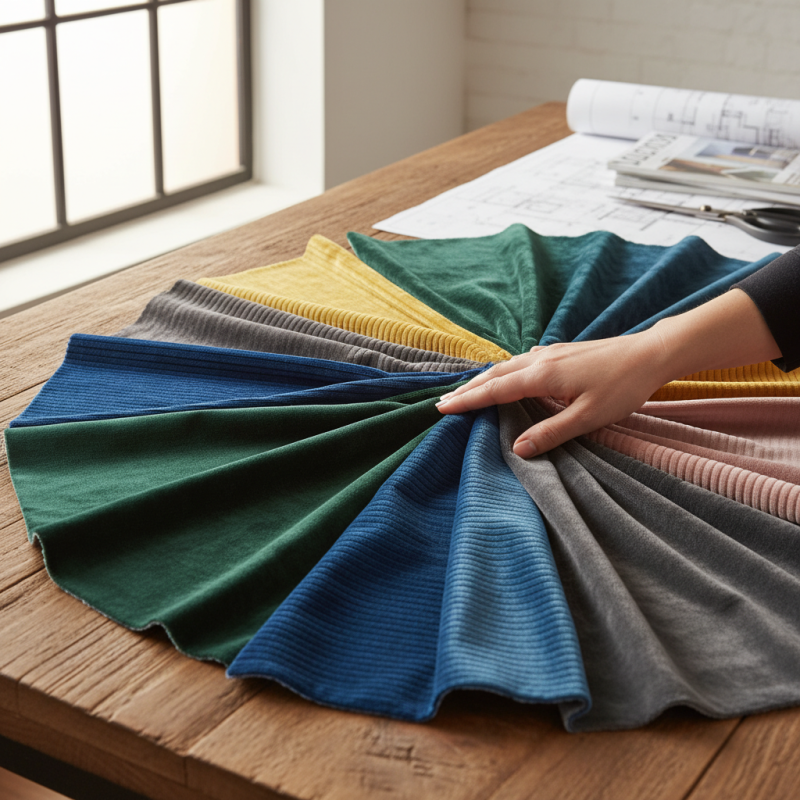
Factors to Consider When Choosing Velvet Chenille for Projects
Choosing the right velvet chenille for your projects involves several key factors. The pile height is critical; it affects the texture and sheen. A taller pile can give a plush feel, while a shorter one offers durability. Industry reports indicate that pile heights vary from 0.5 to 2 inches, impacting usage across furniture and upholstery.
Fabric weight also plays a significant role. Heavier fabrics, weighing around 300-400 grams per square meter, tend to be sturdier. This ensures better wear resistance, especially for high-traffic areas. On the other hand, lighter options are great for drapery but may not hold up as well over time. It’s crucial to assess the intended use.
Colorfastness is another important consideration. According to fabric industry standards, tests reveal that some velvet chenille options fade within months of direct sunlight exposure. This can lead to disappointment if not accounted for in the planning stage. Always choose fabrics that meet specific durability expectations for your projects to ensure longevity and satisfaction.
Understanding Different Types of Velvet Chenille Fabrics Available
When exploring velvet chenille fabrics, it's essential to understand the different types available. Velvet chenille comes in various textures and patterns, influencing the final look of your project. For example, cut velvet has a distinct pattern raised above the surface, while woven options offer a subtler appearance. Each type brings its unique charm and comfort, making your choice crucial.
Choosing the right fabric can feel overwhelming. Look closely at the pile height. Shorter piles tend to be more durable, while longer piles provide a luxurious feel. Consider the color saturation as well. Deeper colors can add richness, but can show wear more easily.
Tips: Always test the fabric in natural light to observe any changes in hue. If it feels wrong, it probably is. Additionally, think about the end use of your project. A cozy couch cover may need a more durable fabric, while delicate curtains might benefit from lighter options. Don't rush; sometimes, allowing yourself time to reflect on your choices leads to better outcomes.
Evaluating Fabric Weight and Texture for Your Specific Needs
When selecting velvet chenille for your projects, fabric weight and texture are crucial factors. The weight of the fabric affects both its durability and comfort. Heavier fabrics often offer more structure, making them suitable for upholstery. Lighter weights can be pleasant for draping garments or lightweight throws. It's essential to consider the end use of your project to determine the appropriate weight.
Texture plays a significant role in the overall feel and appearance of the finished piece. Velvet chenille is known for its soft, plush surface, but different finishes can yield varied tactile experiences. Depending on your design goals, opt for a smoother finish for a sleek look or a coarser texture for a more casual vibe. Sometimes, it takes experimenting to find the right balance.
Tips: Test swatches in your intended setting. Understanding how light interacts with the fabric is key. Also, think about how the texture will feel against the skin, especially for clothing. Don't be afraid to mix textures in a project to create depth and interest. Embrace minor imperfections in the fabric; they can add character and uniqueness to your creation.
Choosing the Right Color and Pattern for Your Project Style
Choosing the right color and pattern for your velvet chenille is crucial for your project’s success. Consider the purpose of your item. A vibrant color can make a bold statement, while softer tones often add elegance. Think about the ambiance you want to create. For instance, deep jewel tones evoke richness, while pastels feel airy and light.
Patterns also play a significant role. Geometric prints can add a modern touch, while floral designs may provide a classic feel. Think about where the finished product will be displayed. A busy pattern might overwhelm a small space, while a subtle design could enhance it.
Don’t shy away from experimenting. Sometimes clashing colors work better than expected. Try pairing unexpected patterns to discover unique combinations. Take time to visualize the end result. Hold swatches together and consider how they interact with light. Reflect on your choices carefully, understanding that not every combination will work out as planned.
Choosing the Best Velvet Chenille Colors for Your Projects
Assessing Durability and Maintenance Requirements of Velvet Chenille
When selecting velvet chenille, durability is a key factor. Chenille is typically soft, but not all fabrics wear the same. Check fabric weight and fiber content. Heavier fabrics often resist wear and tear better. A higher thread count usually indicates better strength and longevity. It's essential to consider how the fabric will be used. For high-traffic areas, opt for tough yet stylish options.
Maintenance is equally important. Velvet chenille can lose its luster without proper care. Regular vacuuming helps to maintain its appearance. Avoid harsh chemicals when cleaning. A gentle detergent can go a long way. Test cleaning methods in discreet areas first.
Tips: Always follow the manufacturer’s care instructions. Different fibers react differently to cleaning methods. If unsure, consult with a fabric care expert. Another tip is to consider the colors. Darker hues often hide stains better, while lighter shades might require more frequent cleaning. Finding the right balance between beauty and practicality is vital. It’s acceptable to take time when making your final choice; not all fabric choices will be perfect, and that's okay.
Article Source:
Schedule
Monday to Thursday:
8:15 – 17:00
Friday:
8:00-15:00
Address
Leonardo Da Vinci, 10
Valencia Technology Park
46980 Paterna, Valencia, SPAIN
Real Laboratory SL
info@site_e1c8a3bd-d539-4d7f-8695-37f21373de39
Teléfono: +34 96 136 61 07
