
• NEWS AND UPDATES

    The latest updates regarding our products and our company

How to Choose the Best Microbiology Equipment for Your Laboratory in 2026?

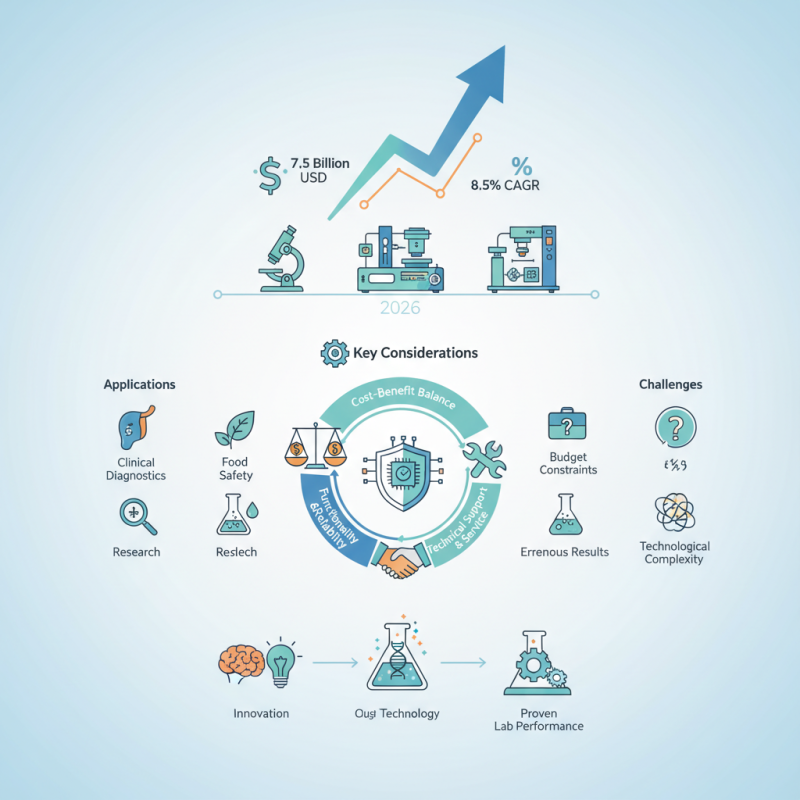
As laboratories evolve, so does the need for advanced microbiology equipment. In 2026, the global microbiology market is expected to reach $7.5 billion, growing at a CAGR of 8.5%. This growth is driven by rising disease outbreaks and the demand for high-quality diagnostics. Selecting the right equipment is crucial for enhancing research efficiency and accuracy.

Microbiology equipment plays a vital role in various applications, from clinical diagnostics to food safety testing. High-quality equipment can significantly affect outcomes. However, many labs face challenges in balancing cost, functionality, and reliability. Identifying the best tools requires a deep understanding of current technologies and their specific applications.

Experts recommend prioritizing products from reputable manufacturers. Moreover, technical support and service are essential factors. A poorly chosen piece of equipment can lead to erroneous results. Thus, careful evaluation of needs and market offerings is necessary. Aim for a mix of innovation and proven technology to optimize laboratory performance.
How to Choose the Best Microbiology Equipment for Your Laboratory in 2026?

Identifying Key Microbiology Equipment Needs for Your Laboratory

Choosing the right microbiology equipment for your laboratory requires careful consideration of specific needs. Key areas to focus on include safety, precision, and versatility. According to industry reports, the global microbiology market is projected to grow at a CAGR of 6.5% from 2021 to 2026. This growth underscores the importance of choosing equipment that meets evolving industry standards.

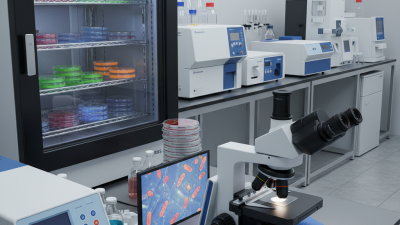
When assessing equipment, prioritize features that enhance reliability. For example, modern incubators should offer accurate temperature control and energy efficiency. An analysis by the Microbiology Society found that labs often struggle with maintenance issues due to outdated technology. Investing in newer models can significantly reduce downtime.

Tip: Regularly evaluate your equipment's performance. Tracking machine efficiency can help identify potential failures before they become critical.

It's also essential to consider the scalability of your lab. If anticipating growth, select equipment that can adapt to increased workload without compromising quality. Many labs regret not investing upfront in advanced technologies. Avoid making choices based solely on current demands; anticipate future needs.

Tip: Engage with your team to gather feedback on current equipment. This input is valuable for identifying gaps and planning necessary upgrades.

How to Choose the Best Microbiology Equipment for Your Laboratory in 2026?

Equipment Type Key Features Estimated Cost ($) Recommended Maintenance Frequency Usage Level (1-5)
Autoclave High-pressure steam sterilization, programmable cycles 3,000 - 6,000 Monthly 5
Incubator Temperature control, humidity management, CO2 options 1,500 - 3,500 Bi-monthly 4
Microscope Digital imaging, multiple magnification levels 2,000 - 5,000 Annually 5
Biosafety Cabinet HEPA filtration, ergonomic design, UV light options 5,000 - 15,000 Quarterly 4
PCR Machine Rapid thermocycling, user-friendly software 2,500 - 7,000 Monthly 5

Evaluating the Latest Technology and Innovations in Microbiology Equipment

When selecting microbiology equipment in 2026, evaluating the latest technology is crucial. Current innovations focus on enhanced automation and precision. Automated systems can streamline sample processing, which increases efficiency and reduces human error. This is especially important in high-throughput environments.

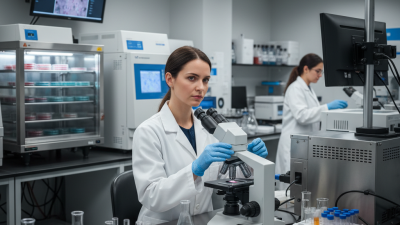
Modern microscopes offer advanced imaging capabilities. These allow for real-time monitoring of microbial growth and behavior. High-resolution imaging can reveal details that were previously undetectable. Consideration must be given to ease of use, as complex interfaces can lead to frustrating experiences.

Balance is key; while new features are appealing, not all are necessary. Assess your laboratory’s specific needs carefully. Over-investment in unnecessary technology can strain budgets. It’s essential to evaluate training requirements for new equipment. A steep learning curve can hinder productivity. Don’t forget to explore user feedback to gauge reliability and performance in real-world settings.

Assessing Budget Constraints and Cost-Effectiveness of Equipment Options

Choosing microbiology equipment is not just about functionality. Budget constraints play a significant role in decision-making. Laboratories often face limits on funding. Therefore, cost-effectiveness is crucial. A high-quality piece of equipment might seem expensive at first. However, its reliability can lead to long-term savings. Cheaper options may require frequent repairs. This can drain resources quickly.

Evaluating equipment based on your specific needs is essential. Understand the testing requirements of your lab. Consider how often various equipment will be used. This will help in identifying what’s necessary. Also, talk to experts and colleagues who have experience with different models. Their insights can provide invaluable guidance. However, don’t take recommendations at face value. Verify claims through research and user reviews.

Don't forget about maintenance costs. Some devices require specialized training for proper use. This can raise overall expenses. Reflect on your lab's capabilities and future needs. Investing upfront in better equipment can increase productivity. Yet, always weigh the pros and cons. Not every high-priced item guarantees superior results. Balancing quality and cost is an ongoing challenge.

Understanding Compliance and Safety Standards in Microbiology Equipment

How to Choose the Best Microbiology Equipment for Your Laboratory in 2026?

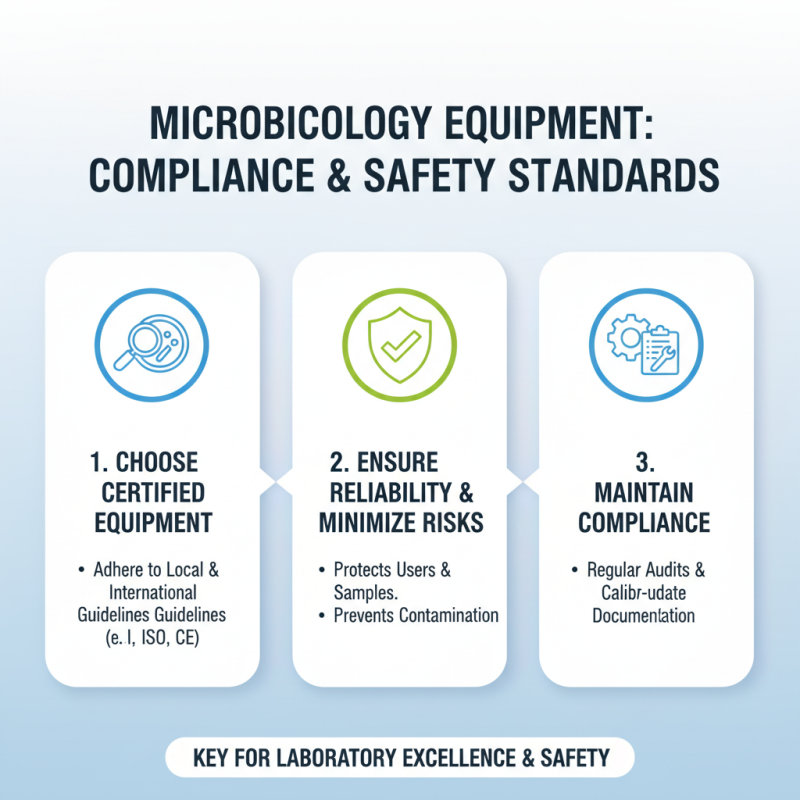
When choosing microbiology equipment, compliance and safety standards are crucial. Understanding these standards is essential for any laboratory. The equipment must adhere to local regulations and international guidelines. This ensures that the equipment is reliable and minimizes risks for users. Regular audits can help maintain compliance.

Training staff on safety protocols is equally important. Proper use of equipment reduces accidents. It's not just about having the right tools; it's about knowing how to use them safely. For instance, proper personal protective equipment (PPE) should be worn at all times. Labs need to review their safety procedures constantly.

Equipment should be regularly inspected and maintained. This helps in identifying potential hazards before they become serious. Outdated equipment can lead to compliance issues. Laboratories often overlook the cost of non-compliance. Ignoring these aspects can result in significant setbacks. Prioritizing safety and standards elevates laboratory operations and fosters a responsible research environment.

Researching Supplier Reputation and Support Services for Laboratory Equipment

When selecting microbiology equipment for your laboratory, supplier reputation matters. A reliable supplier can influence your lab’s success. Look for reviews and testimonials from other researchers. Poor service can lead to delays in experiments. It’s essential to choose a supplier with a proven track record.

Support services are equally important. Consider if the supplier offers training for their equipment. Knowledgeable support staff can help troubleshoot issues. This minimizes downtime and keeps your lab running smoothly. Assess the responsiveness of the supplier. Slow response times can hinder your research.

Reflect on your needs. Evaluate if a supplier aligns with your laboratory's goals. Seek feedback from peers in the field. Their experiences can guide your decision. A supplier’s reputation is not just about sales. It’s also about the long-term support you'll receive.