
• NEWS AND UPDATES

    The latest updates regarding our products and our company

Why Choose a Lab Supply Store for Your Scientific Needs?

Choosing the right resources for scientific endeavors is crucial. A reliable lab supply store can be an essential partner in research and experimentation. These stores offer a wide range of products. You'll find everything from glassware to chemicals and instruments.

Quality matters in scientific work. An established lab supply store ensures you receive the best materials. This not only enhances accuracy but also saves time in the long run. However, not every store meets high standards. Some may have subpar products that compromise results.

When selecting a lab supply store, consider variety and reliability. Customer service is also important. You might encounter challenges or need guidance. A responsive team can help address your concerns. Investing time in finding the right store pays off.

Why Choose a Lab Supply Store for Your Scientific Needs?

Understanding the Importance of Quality in Lab Supplies

When it comes to scientific work, the quality of lab supplies is crucial. Reliable supplies affect the accuracy of experiments. Poor quality items can lead to flawed results. Researchers need materials that meet strict standards. This ensures validity in findings.

Tips: Always check the specifications. Quality grades matter. Look for certifications when possible.

Choosing a lab supply store gives access to top-notch materials. Local stores might offer convenience but often lack variety. Understanding your specific needs aids the selection process. A well-informed choice can save time and resources.

Tips: Create a checklist of supplies. This helps in comparing options. Don't hesitate to ask for advice from experienced researchers.
Benefits of Specialized Knowledge in Lab Supply Stores

Choosing a lab supply store for scientific needs offers unique advantages. The specialized knowledge of staff can greatly enhance your purchasing experience. Staff members often have backgrounds in various scientific fields. This expertise allows them to provide targeted recommendations tailored to your specific projects. For example, if you're working on a biology experiment, they can suggest the best reagents and equipment.

It’s crucial to leverage this knowledge. When visiting a lab supply store, ask questions. Don’t hesitate to discuss your project or research objectives. Often, staff can highlight products you may not have considered. They might introduce you to innovative tools that can improve your experiments. Small changes can lead to significant results.

Here’s a tip: Make a list of questions before you arrive. This will help you stay focused. Engage in discussions around your research needs. Not all lab supply stores will have the same depth of knowledge, so seek out those with a reputation for expertise. Reflect on the options available. Sometimes, spending a little time exploring can pay off in the long run.

Comparative Analysis: Retail Stores vs. Lab Supply Stores

When considering where to purchase scientific supplies, the differences between retail stores and lab supply stores become clear. Retail stores often lack the specialized items that researchers need. According to a recent industry report, about 70% of lab supplies are unique to specific scientific applications. This means that standard retail stores may offer limited options, resulting in frustration for the buyer.

Lab supply stores provide a focused selection tailored to the needs of scientists. They stock items like specialized reagents, high-quality glassware, and precision instruments. These supplies often meet industry standards that retail stores do not prioritize. A study from the National Science Foundation indicates that improper equipment can lead to compromised research results in 30% of cases. This underlines the importance of sourcing materials from credible suppliers.

Furthermore, lab supply stores typically employ knowledgeable staff who understand the products. This can be a significant advantage for researchers seeking expert advice. Many retail staff may lack the expertise necessary to provide accurate recommendations. A survey revealed that 65% of scientists report challenges in finding appropriate supplies at retail outlets. These factors illustrate that while retail stores have their place, lab supply stores are essential for serious scientific work.

The Role of Customer Support in Scientific Equipment Purchasing

When purchasing scientific equipment, customer support plays a vital role. It’s not just about the equipment; it’s about the entire buying experience. Suppliers with strong customer support provide guidance and information on various products. This is crucial when facing complex decisions.

Understanding the nuances of scientific tools can be overwhelming. You might have questions about compatibility or specific features. Good customer support teams are readily available to help. They should address your concerns and assist with technical issues. However, not all support is created equal. Some may lack prompt communication. This can lead to delays in your research or experiments.

Sometimes, you may feel unsure about your choices. It’s okay to ask for help. A good lab supply store will encourage inquiries. They should be willing to walk you through the options. A personalized approach can enhance your purchasing experience. Solid customer support can turn a frustrating situation into a smooth transaction, ensuring you have the right tools for your scientific needs.

Exploring Cost-Effectiveness in Lab Supply Store Purchases

Why Choose a Lab Supply Store for Your Scientific Needs?

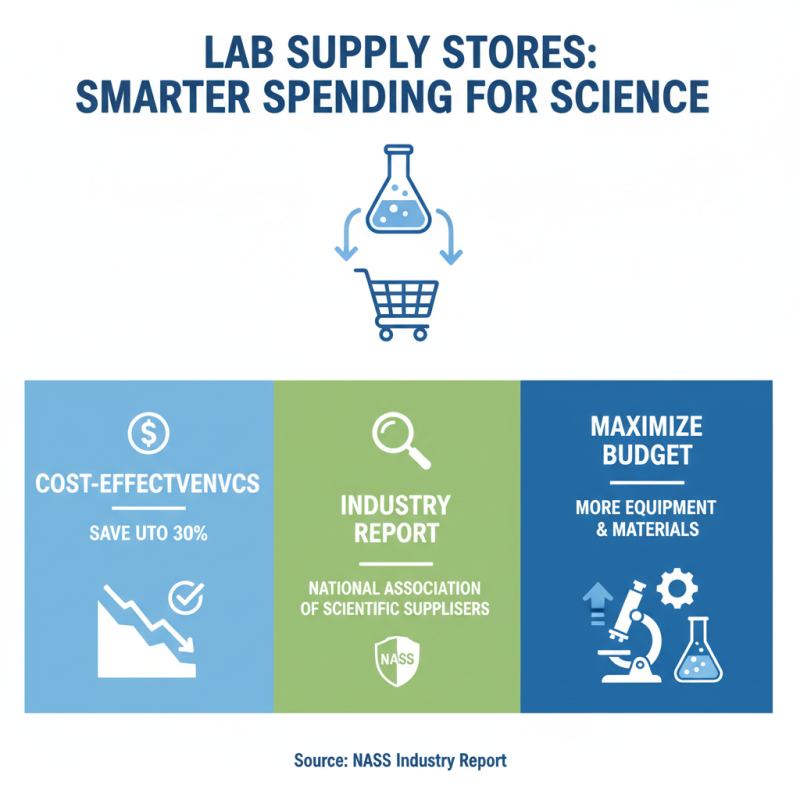
When it comes to scientific supplies, lab supply stores hold a distinct advantage in cost-effectiveness. According to a recent industry report by the National Association of Scientific Suppliers, purchasing from specialized lab stores can reduce costs by up to 30% compared to general retailers. This savings allows labs to stretch their budgets further, enabling investment in more advanced equipment or materials.

Buying in bulk can further enhance these savings. For example, a lab can save significantly on frequently used items such as pipettes and reagents. Many lab supply stores offer tiered pricing, incentivizing larger purchases. However, it's vital to assess actual needs to avoid overstocking. Accumulating excessive supplies can lead to complications like outdated inventory, resulting in waste.

Tips: Always compare prices across stores before buying. Seek out promotions and discounts while shopping. It's also wise to keep an inventory log to track usage rates. This ensures that you don't end up with unnecessary surplus that could tie up funds. Balancing savings with real needs is key for a successful procurement strategy.