How to Build the Lab of the Future for Enhanced Research and Innovation?
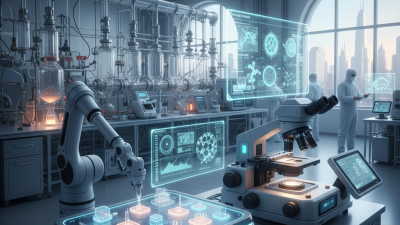
In today's rapidly evolving scientific landscape, the concept of a "lab of the future" is gaining momentum. According to a report by Research and Markets, the global lab automation market is expected to reach $7 billion by 2023. This shift emphasizes the need for innovation in lab environments. Experts believe that integrating advanced technologies can significantly enhance research efficiency.
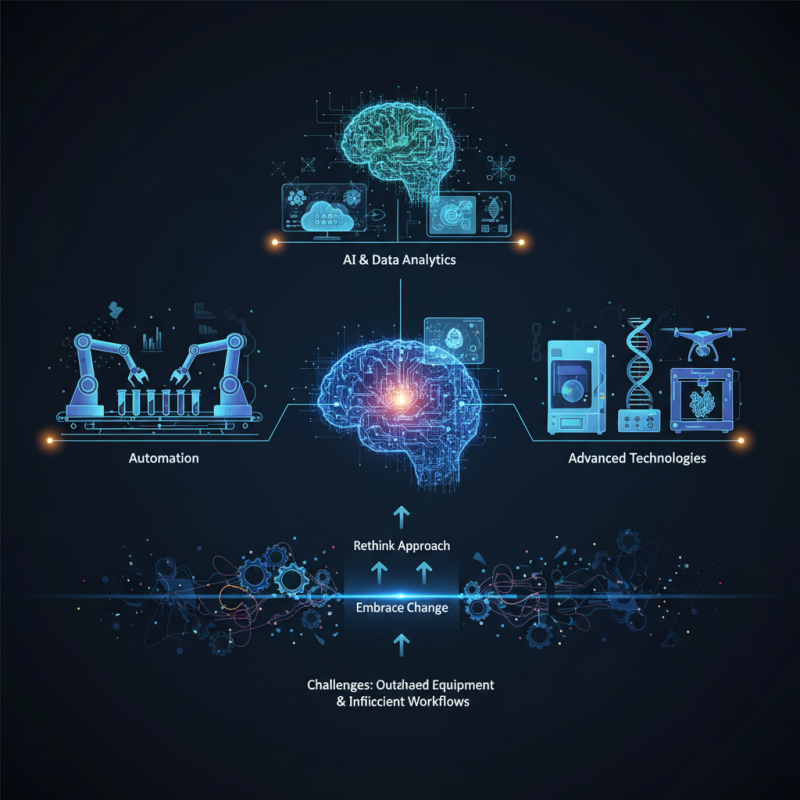
Dr. Emily Johnson, a leading figure in laboratory innovation, states, "The lab of the future must embrace automation and AI to drive breakthroughs." This statement underscores the urgent need for modernized research spaces. However, creating such an environment is not without challenges. Many labs struggle with outdated equipment and inefficient workflows, which hinder progress.
While visions of the lab of the future are promising, they highlight a gap between aspiration and reality. Many research institutions must rethink their approach in order to adapt. The landscape is changing, and the urgency for improvement is clear. Embracing change is essential for fostering a culture of innovation and collaboration in scientific research.
Identifying Key Components of the Lab of the Future
The lab of the future is evolving. It integrates cutting-edge technology to enhance research and innovation. Automation, AI, and data analytics are driving this transformation. According to a report by McKinsey, labs leveraging advanced technologies can increase productivity by up to 30%. This is a significant leap in research efficiency.
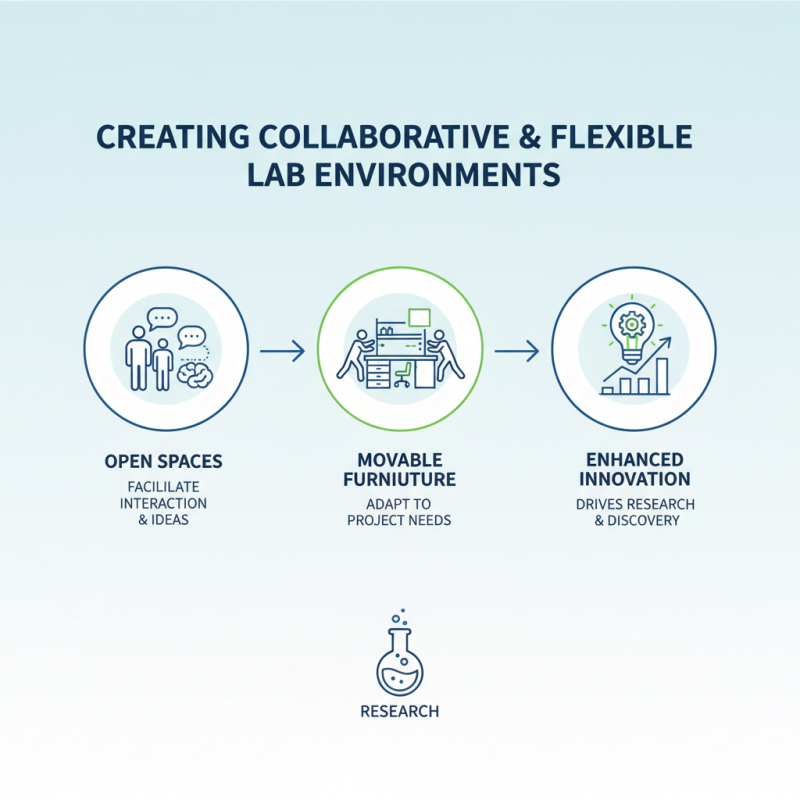
One critical component is collaborative spaces. Modern labs need environments that foster teamwork and creativity. Open layouts encourage spontaneous conversations. Yet, these spaces can become chaotic. Balancing collaboration with focus is a challenge. Another element is sustainable practices. Energy-efficient equipment reduces costs and environmental impact. A survey indicated that 70% of researchers prefer labs emphasizing sustainability.
Data management systems are also vital. They streamline processes and improve data integrity. However, managing such systems often requires ongoing adjustments and optimization. Researchers must continuously adapt. This iterative process can sometimes lead to frustration, as maintaining data security while promoting accessibility is a tricky balance. The path to the lab of the future is complex and requires ongoing reflection and adaptation.
Integrating Advanced Technologies for Innovative Research
The lab of the future is defined by advanced technologies that foster innovation. Integrating artificial intelligence, big data, and automation can empower researchers. According to a recent report by the International Data Corporation, organizations that adopt AI in research see a 65% increase in productivity. However, challenges remain in implementing these technologies effectively.
Moreover, a McKinsey study reveals that only 30% of research labs utilize data analytics to its full potential. Most labs struggle with data silos and lack of training. This gap limits their ability to glean insights swiftly. Advanced tools can streamline processes, yet many still rely on outdated methodologies. Integrating cloud computing can enhance accessibility. As labs modernize, they must reflect on their existing practices and seek continuous improvement.
Establishing a collaborative environment is key. Virtual labs can connect researchers worldwide. However, cybersecurity risks emerge with increased connectivity. The balance between innovation and security needs careful attention. Investing in digital safety measures is essential. Despite the challenges, the integration of advanced technologies can lead to groundbreaking discoveries. The journey towards the lab of the future requires commitment and adaptability from all involved.
Ensuring Sustainability and Safety in Future Labs
Creating labs for the future requires a strong focus on sustainability and safety. Innovative lab designs can minimize waste. For instance, using energy-efficient lighting can cut down electricity usage significantly. Water conservation systems should recycle water as much as possible. Designing flexible spaces can also facilitate the adoption of new sustainable technologies.
Safety is equally critical in lab environments. Regular risk assessments help identify potential hazards before they become issues. Ensuring that lab personnel receive ongoing training is vital. Simple safety protocols, like wearing proper protective gear, can prevent accidents. Labs should have clear emergency procedures that everyone understands. However, relying only on protocols can lead to complacency. Continuous improvement is necessary to ensure everyone prioritizes safety.
Sustainable materials should be a staple in lab construction. By choosing eco-friendly options, labs can significantly reduce their carbon footprint. Nonetheless, sourcing these materials can be a challenge. It often requires research and a willingness to try new suppliers. Collaboration among researchers can also enhance innovation in lab design. Sharing ideas and solutions will inspire others to think differently about their work environments.
Future Lab Research and Innovation Investment
Fostering a Culture of Continuous Learning and Adaptation
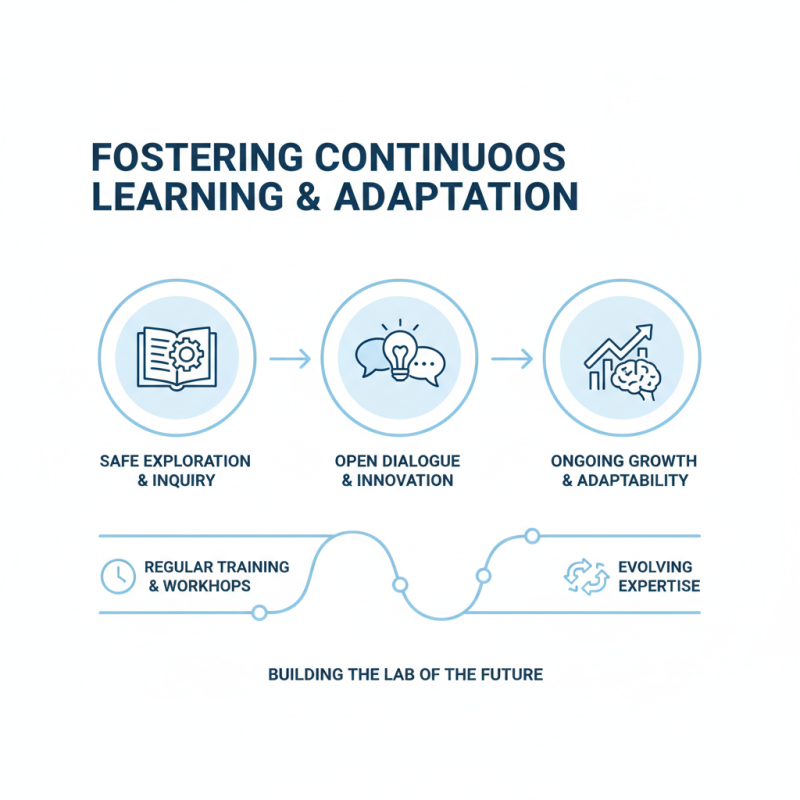
Creating a culture of continuous learning is vital in building the lab of the future. Researchers should feel safe to ask questions and explore new ideas. Encouraging open dialogue can lead to innovative solutions. Regular training sessions and workshops keep team members updated on the latest techniques. Learning should not be a one-time event. It must be ongoing.
Adaptation is just as crucial. The landscape of research is constantly changing. Labs should be flexible and ready to pivot. When new challenges arise, teams must adjust quickly. Embracing failures as learning opportunities is key. Every setback offers valuable lessons. Not everyone gets it right the first time. Reflecting on mistakes can spark ideas for improvement.
Lastly, collaboration fosters a learning environment. By sharing knowledge, teams can grow together. Diverse perspectives lead to unique insights. Building networks within and beyond the lab enhances creativity. A lab that thrives on continuous learning will drive innovation forward. It might not be perfect, and there will be hurdles, but the journey is where growth happens.