Best Laboratory Equipment for Efficient Research and Testing?
In today's rapidly evolving research landscape, selecting the right laboratory equipment is crucial for achieving efficient results. According to a report from Lab Manager, nearly 70% of researchers believe that high-quality equipment directly impacts their findings. This statistic underscores the necessity for laboratories to invest in reliable, precise tools that enhance productivity and support innovative experiments.
Laboratory equipment encompasses a wide range of tools, including spectrophotometers, incubators, and centrifuges. Each piece plays a distinct role in various testing procedures. For instance, improper calibration of a centrifuge can lead to erroneous results, highlighting the need for regular maintenance and evaluation. Furthermore, the National Institutes of Health (NIH) reported that outdated equipment contributed to a 15% increase in experimental errors among research labs last year.
Balancing quality and cost remains a challenge. While top-tier laboratory equipment often comes with a hefty price tag, the long-term benefits can outweigh initial expenses. Many institutions are now seeking budget-friendly alternatives without sacrificing quality. This illustrates the ongoing tension between economic constraints and the need for cutting-edge technology in research environments.
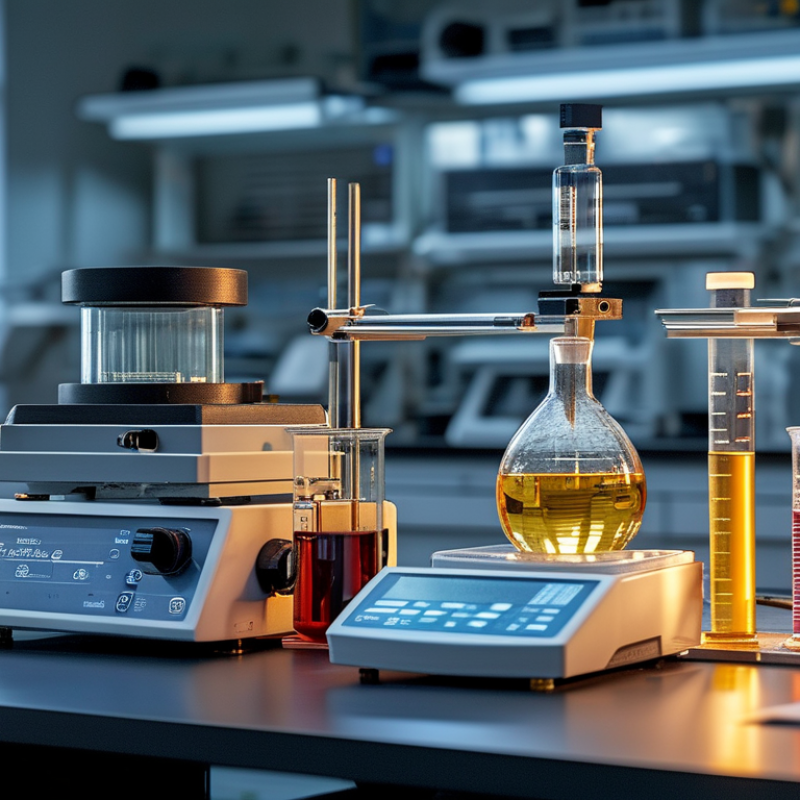
Essential Types of Laboratory Equipment for Research and Testing
Laboratories play a crucial role in scientific advancement. Choosing the right equipment can drastically improve research effectiveness. Essential laboratory equipment varies by discipline but typically includes items like microscopes, centrifuges, and incubators. The global laboratory equipment market was valued at approximately $40 billion in 2020 and is projected to grow by 6.5% annually, according to industry reports.
Microscopes are vital for analyzing specimens at a cellular level. They allow researchers to observe structures that are invisible to the naked eye. Centrifuges enable the separation of fluids, solids, and gases based on density, critical for cellular biology. It is estimated that improper use of centrifuges can result in loss of samples or data, emphasizing the need for proper training. Moreover, incubators maintain ideal conditions for cell cultures or microbial growth, essential for reliable experimental results.
Despite advancements, challenges remain. Many labs struggle to maintain equipment due to budget constraints or lack of training. Equipment calibration can often be overlooked, leading to inaccurate results. Investing in reliable equipment and proper training is necessary for success. Research shows that laboratories prioritizing training see a 30% increase in overall productivity. This highlights the importance of not just acquiring equipment, but also ensuring it is used correctly and efficiently.
Best Laboratory Equipment for Efficient Research and Testing
This bar chart illustrates the types of laboratory equipment commonly used in research and testing, along with their usage frequency based on a survey of professionals in the field.
Key Features to Consider When Selecting Laboratory Equipment
When selecting laboratory equipment, specific features are crucial for optimal efficiency. Precision is non-negotiable. Equipment must provide accurate measurements consistently. This ensures reliable results, vital for research and testing. Durability matters, too. Well-constructed instruments endure the rigors of a busy lab environment. Look for equipment made from quality materials to minimize replacements.
User-friendliness is another aspect to prioritize. Complicated interfaces may hinder productivity. Simple controls facilitate faster operation and reduce errors. Consider the space available in your lab. Some equipment can be bulky, affecting workflow. Compact designs can enhance mobility and accessibility.
Evaluating ongoing support and maintenance is essential. How easy is it to find replacement parts? Reliability of service from suppliers can affect your research timeline. Investing in equipment with available technical support can save time and frustration. A closer look at user reviews may reveal potential drawbacks, guiding informed decisions.
Best Practices for Maintaining Laboratory Equipment Efficiency
Maintaining laboratory equipment efficiency is crucial for optimal research and testing outcomes. Regular calibration of instruments ensures accuracy. A miscalibrated device can lead to flawed results, potentially wasting time and resources. It is essential to establish a routine maintenance schedule. This can help identify wear and tear early, minimizing downtime.
Cleaning is another important practice. Dust and contaminants can affect equipment performance. Simple tasks like wiping surfaces and using proper cleaning agents can improve longevity. Remember that not all equipment requires the same cleaning methods. Adapting your approach based on specific tools can be beneficial.
A well-organized lab is also key. Keeping tools and materials in designated places reduces clutter. This helps minimize accidents and increases productivity. Regular training on equipment use is vital. Misuse can lead to accidents or damage, reducing efficiency. Regular reflection on practices can lead to improvements and increased productivity over time.
Innovative Technologies in Laboratory Equipment for Enhanced Research
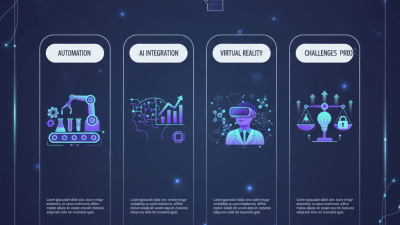
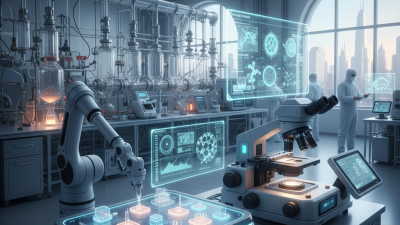
Laboratory equipment plays a critical role in research and testing. The advent of innovative technologies has revolutionized this field. According to a recent market report, advancements in laboratory automation and data management systems can improve efficiency by up to 30%. This boost allows researchers to spend more time analyzing data and less on manual tasks.
New technologies such as AI and machine learning are enhancing research capabilities. These tools help identify patterns and trends in large datasets, leading to faster and more accurate results. For instance, a study indicated that incorporating automation in sample processing can cut down turnaround times by 50%. However, researchers often struggle to keep pace with rapid technological changes.
Consider regular training on new tools. This ensures your team is updated and efficient. Evaluate existing equipment and identify areas for upgrades. This can lead to significant productivity gains. Embracing these innovations not only enhances research quality but also aligns with a competitive edge in the industry.
Best Laboratory Equipment for Efficient Research and Testing
| Equipment Type |
Key Features |
Applications |
Innovative Technology |
| Microscope |
High-resolution optics, LED illumination |
Cell biology, material sciences |
Digital imaging integration |
| Spectrophotometer |
Wide wavelength range, automated sample handling |
Chemical analysis, environmental testing |
Multi-channel detection systems |
| Centrifuge |
Variable speed settings, cooling options |
Biological samples, blood separation |
Smart rotor recognition |
| pH Meter |
Automatic temperature compensation, digital display |
Agricultural testing, food safety |
Bluetooth connectivity for data tracking |
| PCR Machine |
Rapid cycling, precise temperature control |
Genetic research, pathogen detection |
Touchscreen interface with easy programming |
Cost-Effective Solutions for Building a Research Laboratory
Establishing a research laboratory can be a costly endeavor. According to a recent report from the National Institutes of Health, about $3 billion is invested annually in laboratory equipment. However, it’s possible to create an effective lab without overspending. Key considerations include prioritizing essential items and purchasing equipment that meets specific research needs.
Investing in reliable yet economical equipment can significantly reduce startup costs. For instance, a well-designed incubator can range from $1,000 to $10,000. Careful selection based on actual requirements is critical. Additionally, refurbished equipment can save up to 50% of initial costs, while still providing quality performance. It’s essential to assess whether high-end brands offer tangible benefits for your research or if cost-effective alternatives suffice.
Moreover, trying to balance between high performance and budget constraints is challenging. Researchers often face pressure to deliver results quickly. This leads to potential overspending on unnecessary technology. The key lies in a thorough evaluation of your research goals. Engaging with peer-reviewed literature also provides insights into the latest cost-effective solutions. Regular reflection and revision of your equipment choices can ensure continued efficiency in your laboratory.