

• NEWS AND UPDATES

    The latest updates regarding our products and our company

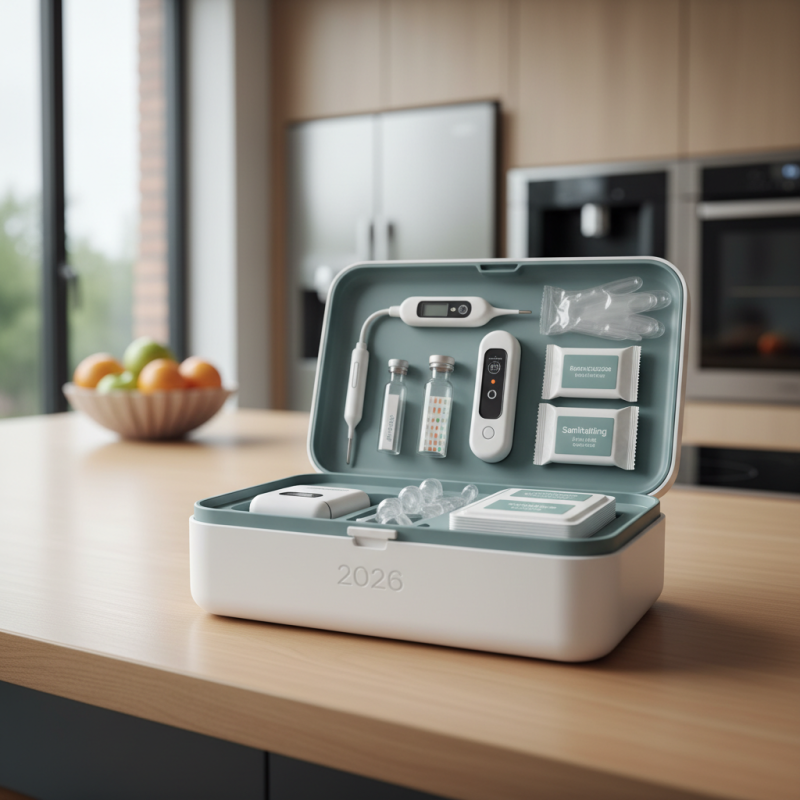
Best Food Safety Kits for Home Use in 2026?

In 2026, ensuring food safety at home has never been more essential. With growing concerns about foodborne illnesses, many people are turning to Food Safety Kits. These kits offer practical solutions for monitoring and maintaining safe food practices. They help families avoid potential health risks associated with improper food handling.

Different Food Safety Kits on the market include essential tools such as thermometers, pH strips, and sanitizing wipes. Each kit is designed to enhance awareness and promote safe food preparation. However, not all kits are created equal. It's crucial to choose the right one that fits your cooking habits and lifestyle. Some consumers may find certain tools complicated or unnecessary, leading to frustration.

Balancing safety and convenience can be challenging. Many families overlook simple food safety practices, relying solely on their Food Safety Kits. This reliance can lead to complacency and risky behavior in the kitchen. While these kits provide valuable resources, personal vigilance remains key. Reflecting on your food preparation habits can make a significant difference in overall safety.
Best Food Safety Kits for Home Use in 2026?

Best Food Safety Kits for Home Use in 2026: An Overview of Industry Trends

As we look ahead to 2026, food safety kits for home use are gaining importance. More households are aware of foodborne illnesses and the need for prevention. This trend is pushing manufacturers to design innovative kits that cater to home cooks. These kits typically include thermometers, pH meters, and sanitizing wipes. They help ensure food is cooked and stored safely.

Interestingly, consumers are seeking out user-friendly options. Many kits now include digital tools. These can link with smartphones to provide real-time data on food safety. However, the challenge remains with user education. Not everyone knows how to use these tools effectively. Therefore, the emphasis should be on clear instructions and practical tips. Many people overlook the basics. It’s easy to forget the importance of temperature checks.

In 2026, the trend will likely continue towards eco-friendly materials. People are more conscious of their environmental impact. Biodegradable packaging for safety kits could be a game-changer. Yet, achieving this goal may present hurdles. Not all eco-friendly materials are as effective. It's important to balance safety and sustainability. More discussion about this topic is needed within the community.

Key Features to Look for in Home Food Safety Kits: Expert Recommendations

When choosing a home food safety kit, it is essential to consider several key features. The kit should include a reliable food thermometer. This device ensures that food reaches safe cooking temperatures. According to the USDA, cooking meat at the right temperature reduces foodborne illness risks significantly. A practical range is between 145°F and 165°F for various meats.

Another crucial component is a set of high-quality disposable gloves. These gloves should be durable and ideal for food handling. Regular handwashing is important, but gloves provide an extra layer of protection, especially when dealing with raw ingredients. The CDC reports that cross-contamination is a leading cause of food poisoning. Using gloves can help to minimize this risk.

Look for kits that include clear instructions and checklists for food safety practices. Surprisingly, some users report confusion over storage temperatures or safe cooking methods. After using a safety kit, some people feel uncertain about the recommended steps. Visual aids can improve understanding and compliance in these critical areas. Addressing these shortcomings could enhance food safety in homes.

Best Food Safety Kits for Home Use in 2026 - Key Features to Look for in Home Food Safety Kits

Kit Name Key Features Safety Tools Included Price (Approx.)
Basic Food Safety Kit Comprehensive guide, basic thermometer Digital Thermometer, Safety Gloves $20
Advanced Home Safety Kit Includes advanced thermometer and testing kits Digital Thermometer, pH Tester $35
Comprehensive Safety Set All-in-one kit, Education materials included Digital Thermometer, Food Test Strips, Gloves $50
Eco-Friendly Safety Kit Sustainable materials, reusable tools Reusable Thermometer, Compostable Gloves $30
Kids Safety Kit Kid-friendly educational materials Colorful Thermometer, Safety Gloves $25

Top Brands for Food Safety Kits: A Comparative Analysis of Performance

When it comes to food safety kits, performance is crucial. In 2026, various brands offer impressive features. Many kits include thermometers, testing strips, and cleaning supplies. Evaluating their effectiveness ensures safer food practices at home. However, some kits might lack detailed instructions. This can lead to improper usage, which defeats the purpose of safety.


For optimal results, consider these tips. Always check expiration dates on testing strips. Correct temperatures need to be maintained for meat and dairy products. Store kits in an accessible location. This encourages regular usage. A cluttered space can make it easy to overlook safety measures.


Additionally, some kits may not include comprehensive guides. Users could struggle to decipher proper usage. It’s important to take time to familiarize yourself with each item. Invest time in learning how to utilize every tool effectively. Mistakes can happen, but awareness can improve practices significantly. Choose the kit that best fits your cooking habits and family needs.

Statistical Insights: Impact of Foodborne Illnesses on Home Cooking Practices

Foodborne illnesses are a growing concern in our kitchens. Recent studies reveal a substantial increase in reported cases linked to improper food handling. Many home cooks are unaware of safe practices that could drastically reduce risks.

Tips for safe food handling include washing hands regularly. Additionally, using separate cutting boards for meat and vegetables is crucial. It is alarming how often cross-contamination occurs, even with the best intentions. Remember to check the temperature of your food. Undercooked meals can harbor harmful bacteria.

Awareness is key to improving our cooking habits. Food safety kits are great tools for monitoring kitchen hygiene. However, relying solely on kits isn’t enough. Understanding basic safety practices empowers home cooks. Inspecting expiry dates is vital but often overlooked. Simple changes can lead to safer, more enjoyable cooking experiences.

Future Innovations in Food Safety Kits: What Consumers Can Expect in 2026

As consumers become more aware of food safety, innovations are set to reshape home kits in 2026. A recent industry report indicates that global food safety solutions are projected to grow annually by 9.5%. This trend reflects the rising demand for effective home safety measures. New kits will likely include advanced sensors to detect harmful bacteria.

Expected improvements focus on user experience. Interactive apps linked to food safety kits may provide real-time data. These technologies could help users understand food freshness. A survey shows 72% of consumers prioritize transparency in food safety. Therefore, information will be easily accessible.

Despite these advancements, challenges remain. Many consumers still struggle with understanding food safety protocols. Reports indicate that 40% of individuals lack knowledge about proper food handling. This gap requires more educational resources and clearer instructions in kits. Addressing these issues will be crucial for successful adoption in the future.

Best Food Safety Kits for Home Use in 2026